A Dark Sky Town and What Happens to Your Car
Bon Accord earned its designation by paying attention to something most communities ignore. In that spirit, it's worth being specific about where your vehicle actually goes, because plenty of operators in this industry are vague about it.
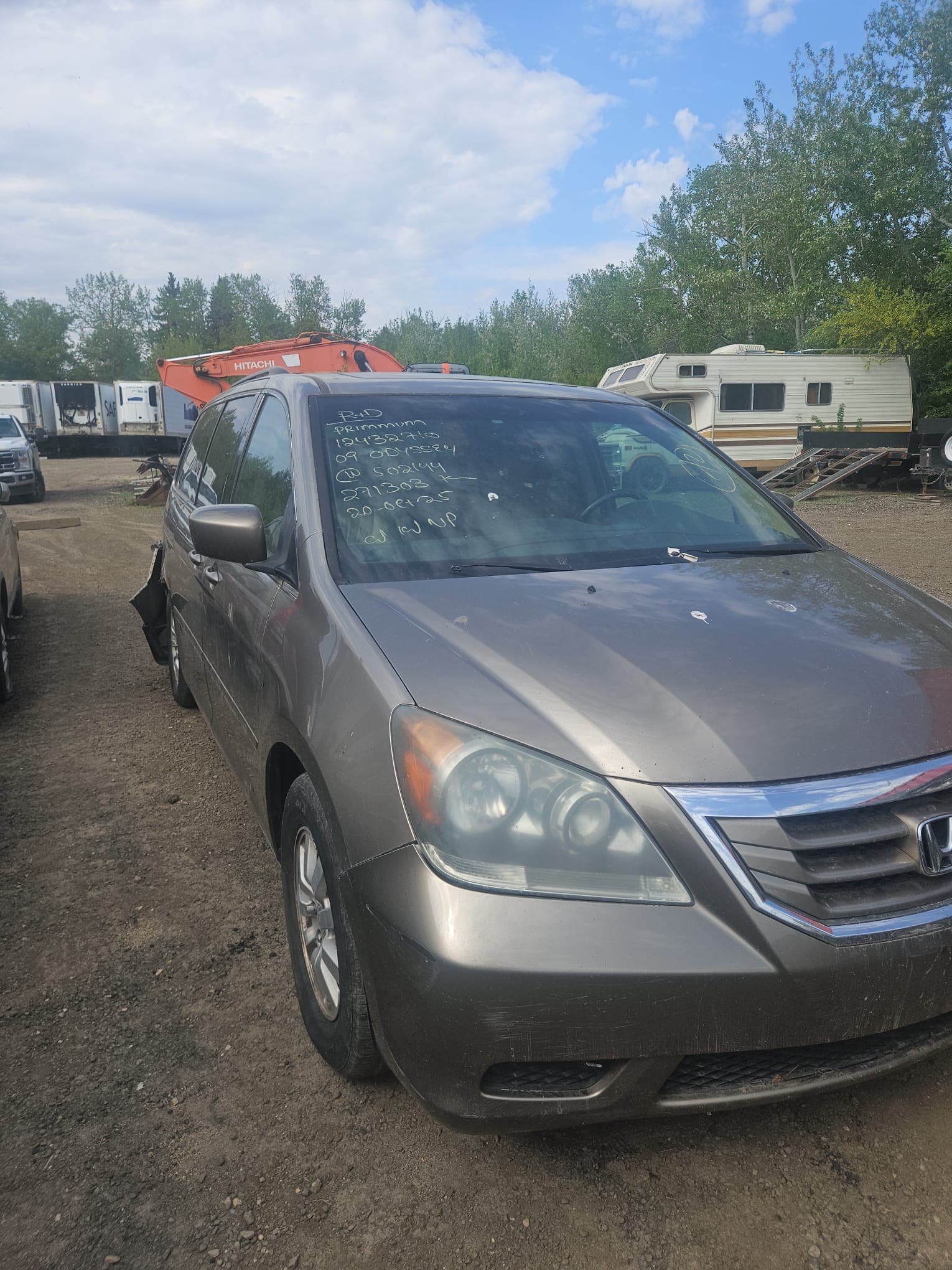
Every vehicle we collect is depolluted before anything else happens. Engine oil, transmission and differential fluid, coolant, brake and power steering fluid and remaining fuel are drained and captured separately. The battery is pulled for lead reclamation. Refrigerant is recovered rather than vented. Tires go into Alberta's recycling stream. Mercury switches in older vehicles are removed before shredding, because mercury released in a shredder contaminates everything downstream.
Reusable components are then pulled and inventoried, and the shell goes to a licensed recycler for shredding, where ferrous and non-ferrous metals are separated and re-enter the supply chain.
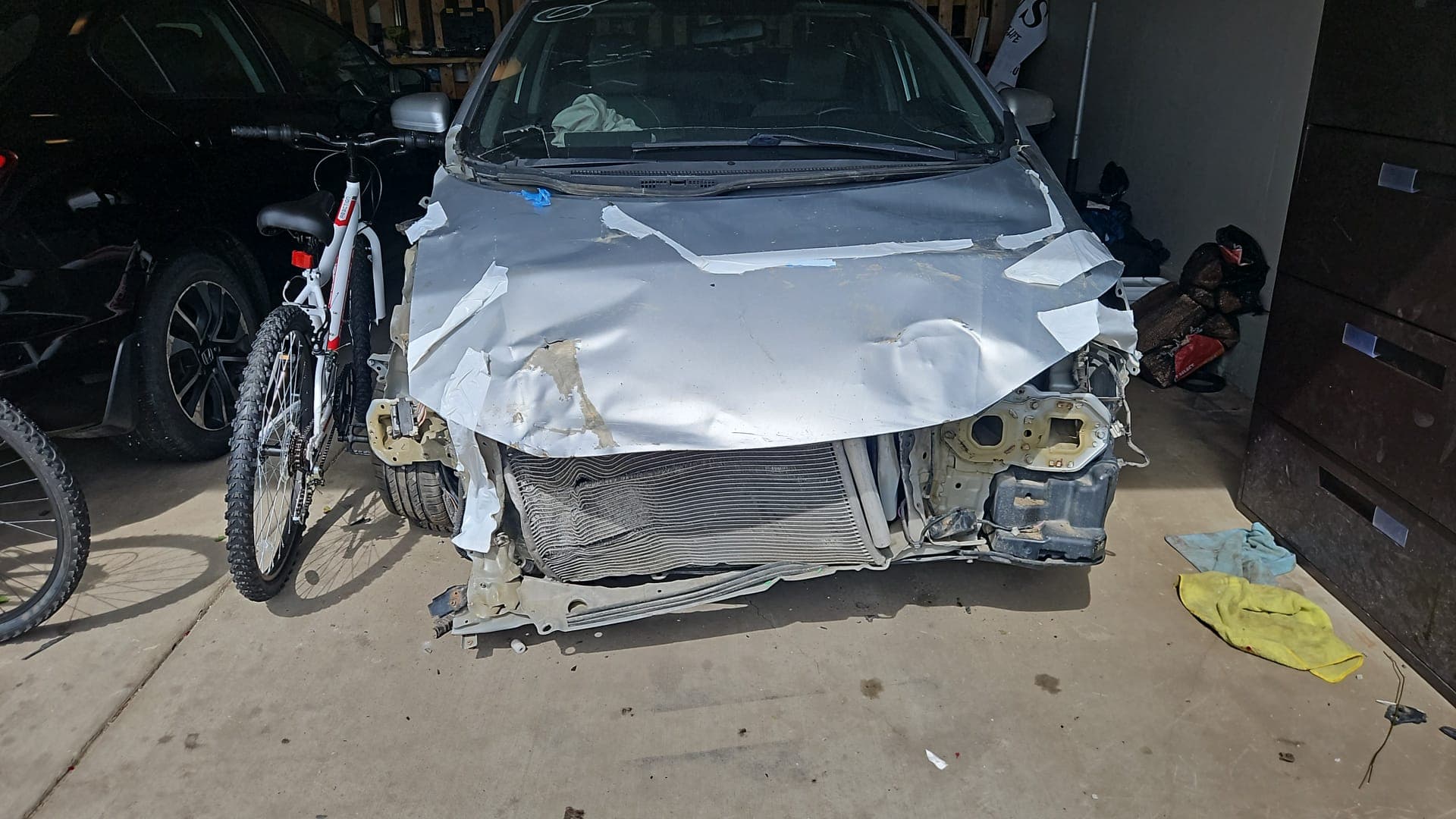
The alternative — a vehicle left sitting in a field — leaks its entire fluid load into the ground over a few seasons. On your own land, that's your contamination and your remediation cost. The full process is on scrap car removal.
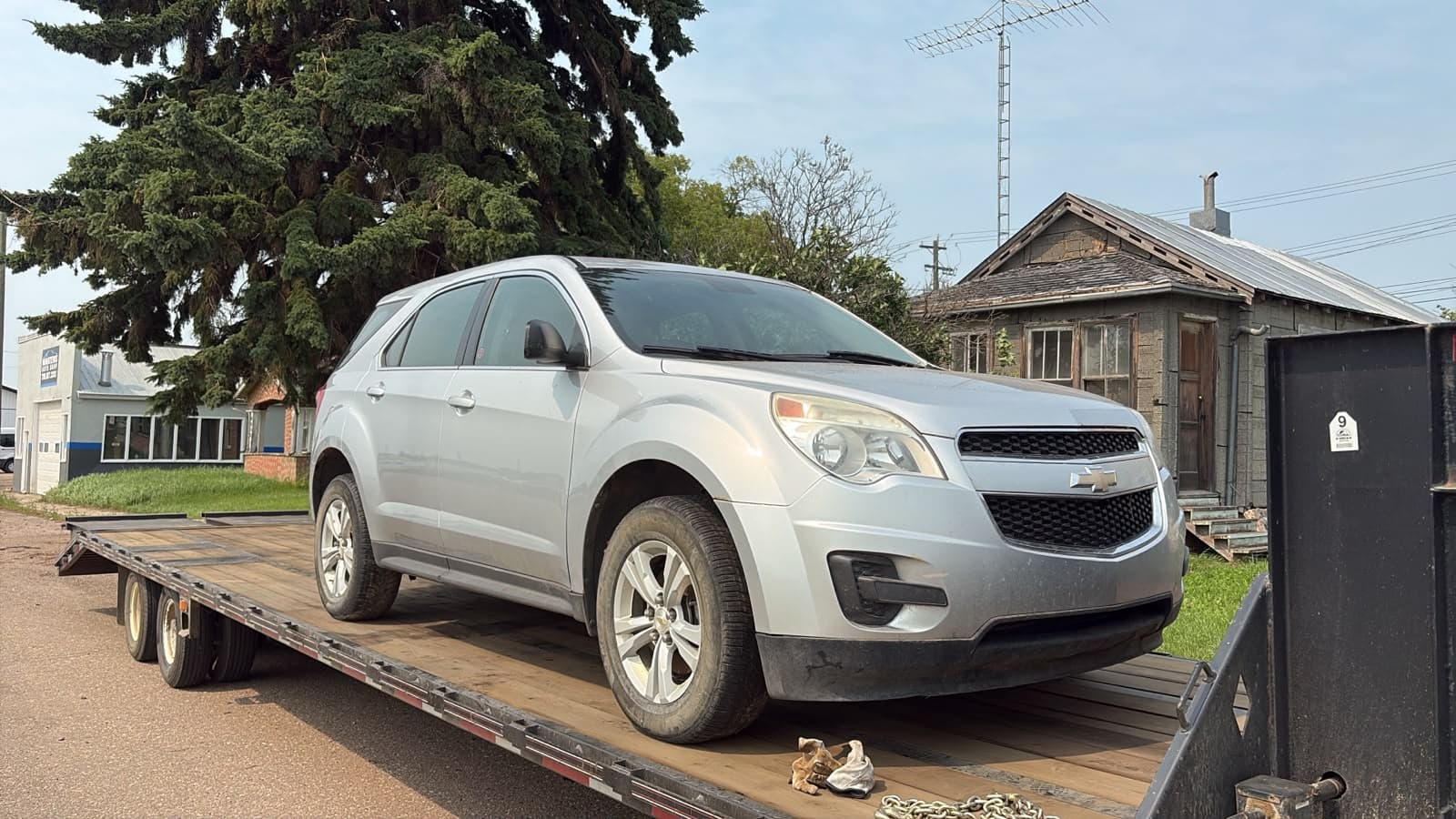
You also receive a signed bill of sale at pickup listing the VIN, odometer, price and both parties. That's your documented record that the vehicle left your ownership on a specific date — which matters, because liability tends to follow the registered owner until a transfer is recorded.