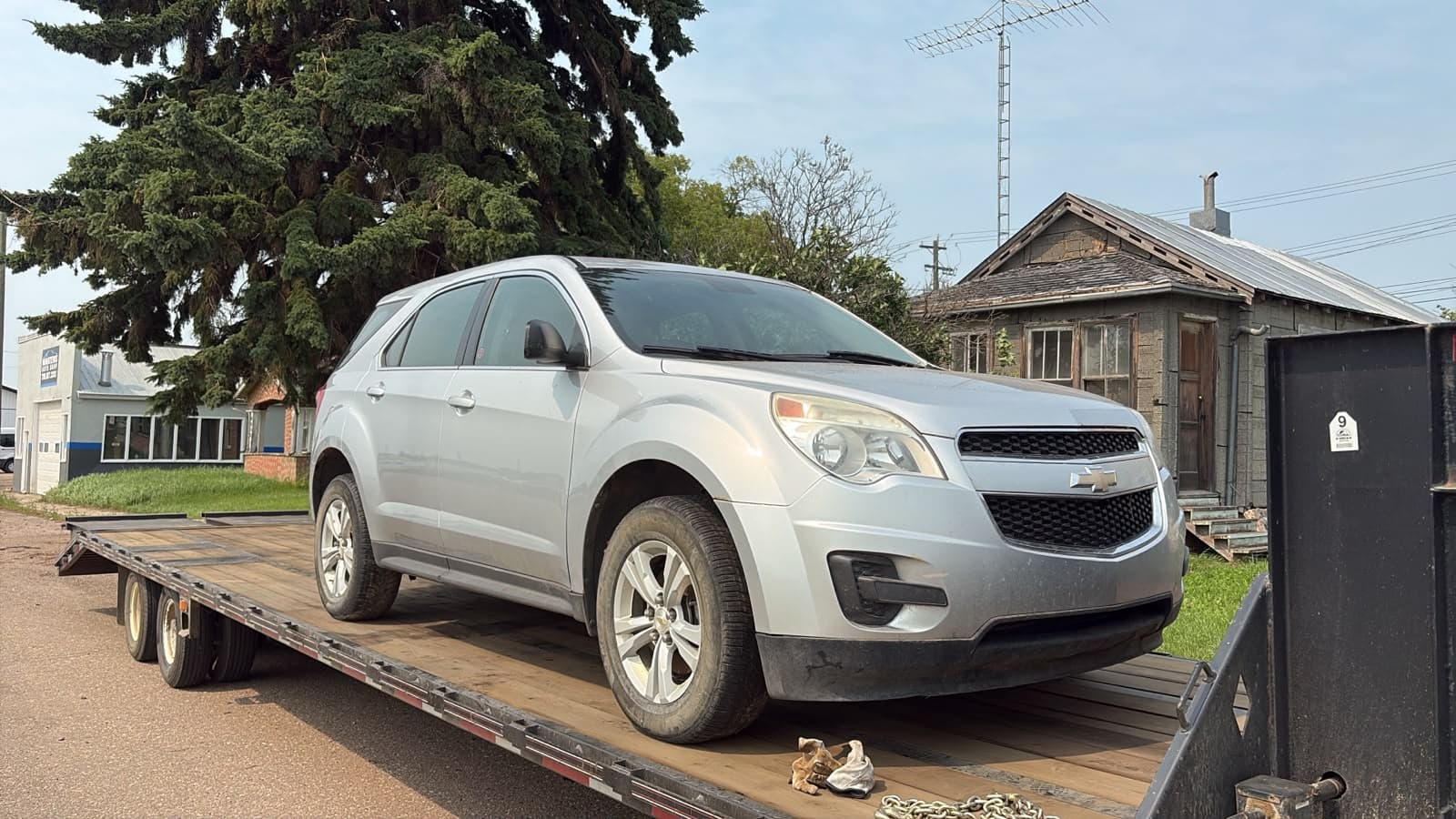
Your quote is the same as it would be in Edmonton.
A 2009 half-ton with a seized engine is worth what it's worth. Where it's parked is our logistics problem, not a deduction from your payout. See free towing.
The Pembina oilfield came in near here in 1953 and turned out to be one of the largest conventional oil discoveries in Canada. Drayton Valley grew up around it, and between the energy sector and forestry, the town has spent seventy years running on heavy equipment and heavier trucks.
It's also the furthest point in our service area — roughly a hundred and thirty-five kilometres southwest of Edmonton along Highway 39 and Highway 22, sitting above the North Saskatchewan River in Brazeau County.
That distance changes how we schedule. It does not change what you're paid.
Call (780) 202-2274 for a firm number.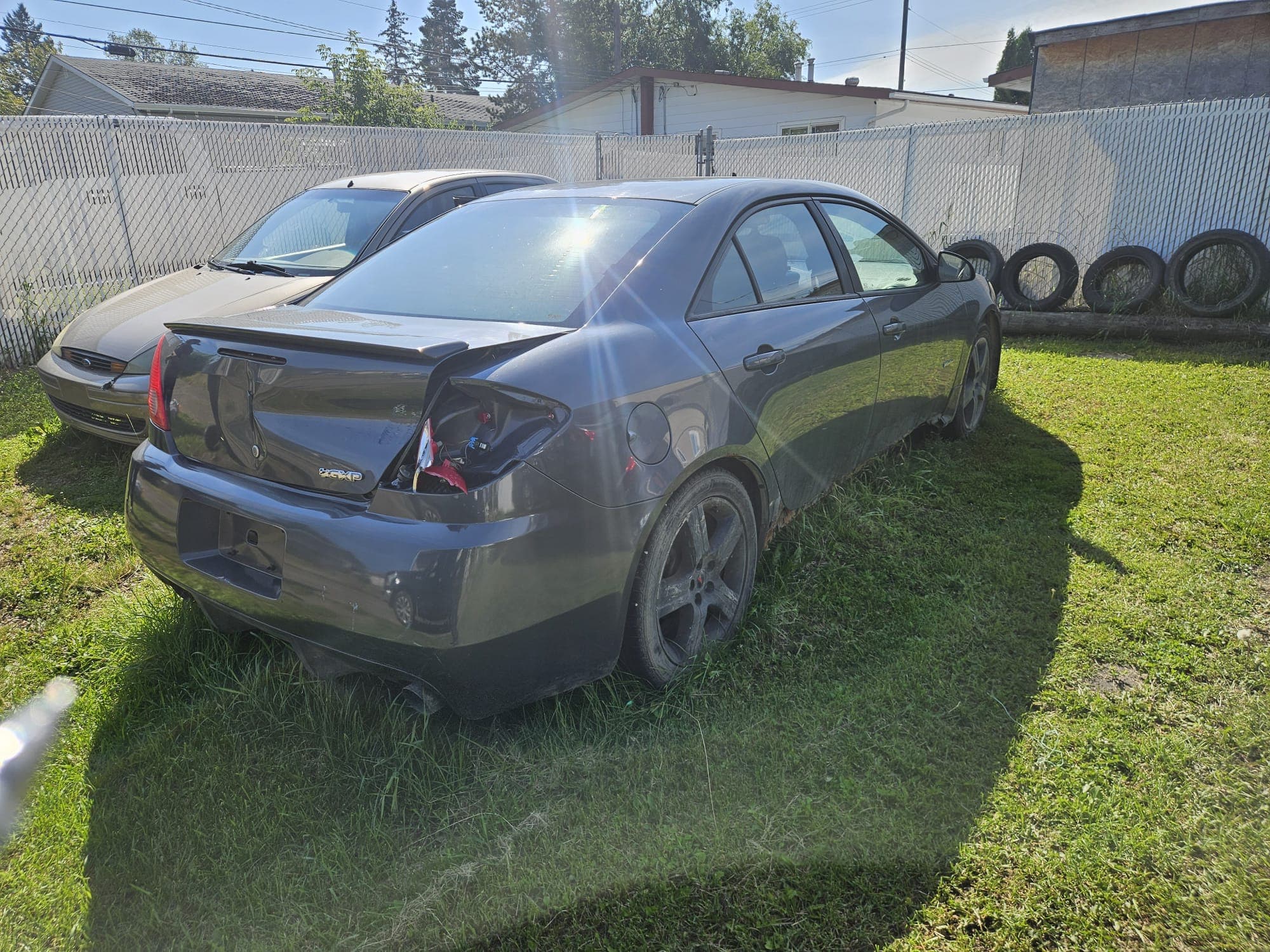
Some buyers quote lower for remote addresses, or take the tow out of the offer, or simply decline to come. It's worth being explicit about how we handle it.
A 2009 half-ton with a seized engine is worth what it's worth. Where it's parked is our logistics problem, not a deduction from your payout. See free towing.
A single vehicle in Drayton Valley is a long dispatch. Because of that, we often batch pickups in this direction — which occasionally means a day or two rather than same-day service, and we'll tell you honestly when you call rather than promising a window we can't hold.
Three vehicles from one yard, or vehicles from a neighbouring property on the same road, are collected in a single visit. That efficiency is real and it's reflected in what we can offer. If you know of others, mention it.
If you have a property sale, a Brazeau County notice, or any other date, tell us on the first call and we'll confirm immediately whether we can meet it instead of booking you and hoping.
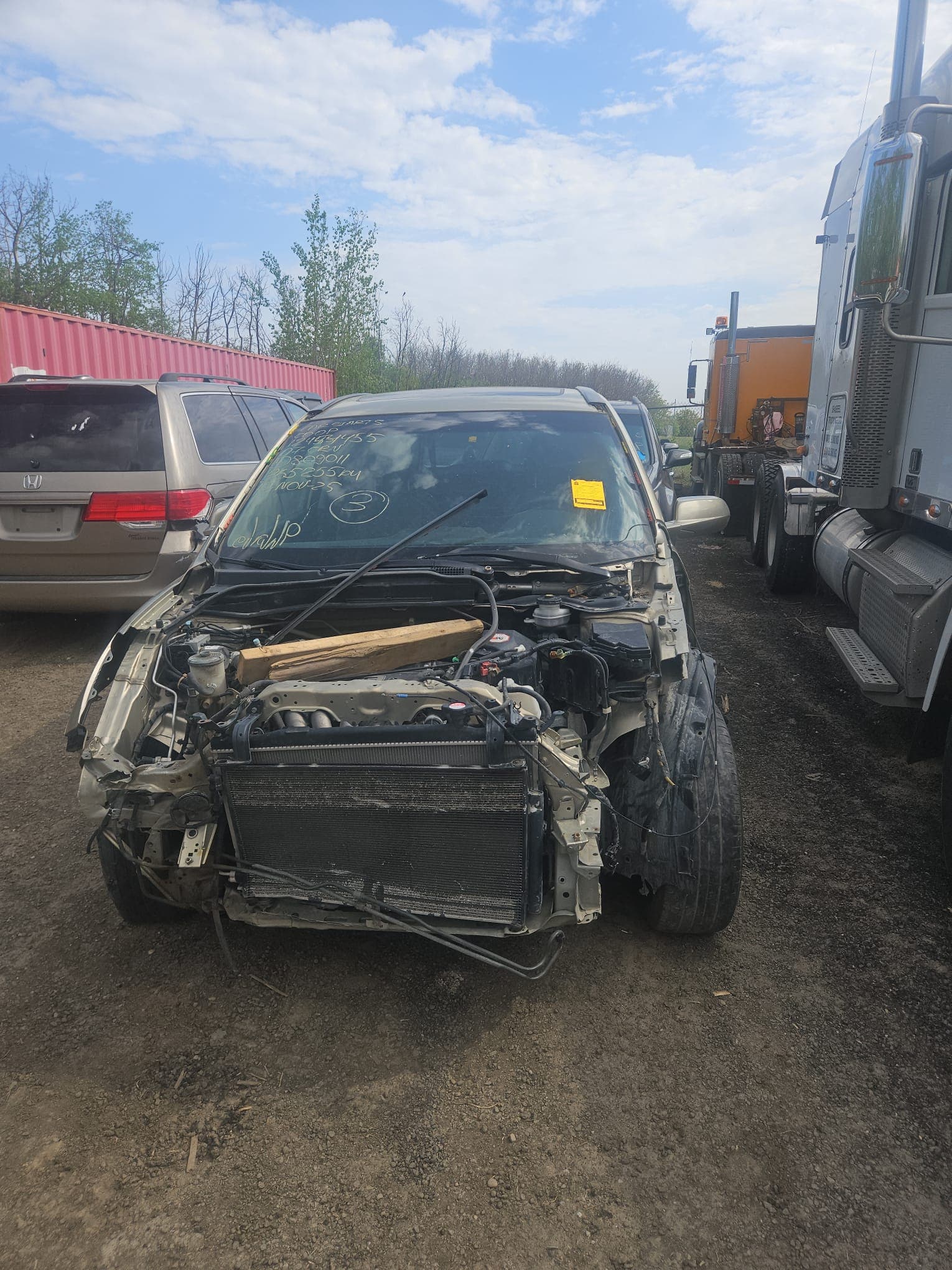
This is the heaviest vehicle mix in our entire service area, and heavy is exactly what pays.
Weight is the base of every scrap quote. A compact car runs 1,150 to 1,350 kg. A half-ton runs 2,100 to 2,700 kg. A three-quarter or one-ton diesel runs 3,000 to 3,800 kg — close to three times a car before anything else is assessed.
Alberta parts demand is the multiplier. Transfer cases, differentials, transmissions, axles, alloy wheels, tailgates, boxes and mirrors for common half-tons and heavy-duty units sell fast in this province, and faster still in oilfield and forestry country where those trucks are still working.
A dead engine doesn't end the value. A Cummins, Duramax or Powerstroke with a seized engine still carries a heavy-duty transmission, transfer case, front and rear axles, turbo, injectors and a high-pressure fuel pump. People routinely accept scrap-weight offers on these trucks and lose serious money doing it.
Mounted equipment is separately saleable. Service bodies, decks, picker and crane units, welding rigs, headache racks, fifth-wheel hitches, air compressors and tool boxes all add. Describe everything that's on the truck.
Emissions deletes — be upfront. A deleted diesel is difficult to return to the on-road market legally, which pushes it toward parts and scrap. The parts are still valuable. Telling us in advance gets you an accurate quote instead of a revision at your gate.
Full detail on cash for trucks and SUVs.
Sustained washboard destroys shocks, struts, bushings, ball joints, tie rods and wheel bearings. Rock chips strip protective coating off frame rails, brake lines and fuel lines, and winter brine then works on bare metal from underneath. Corrosion, not mechanical failure, is what most often finishes a truck here.
Towing equipment, trailers and loads puts sustained heat into transmissions and rear ends. Transmission failure under load is the most common single mechanical end point.
Winter field and bush work means repeated cold cycling and hours of idling — hard on engines, exhaust systems and emissions components alike.
Vehicles here simply accumulate kilometres faster, because everything is further away.
The upside for your offer: these vehicles frequently reach end of life with a functional drivetrain and terminal underbody corrosion, and a working engine and transmission are worth considerably more than scrap weight.
Throughout the Town of Drayton Valley and Brazeau County, including acreages, farms, lease sites and camp properties along the Range Roads and Township Roads, and out toward Breton, Lodgepole, Rocky Rapids, Buck Creek and Violet Grove.
Tell us ground conditions, gate widths and distance from a usable approach. On remote property those determine the job far more than kilometres from Edmonton.
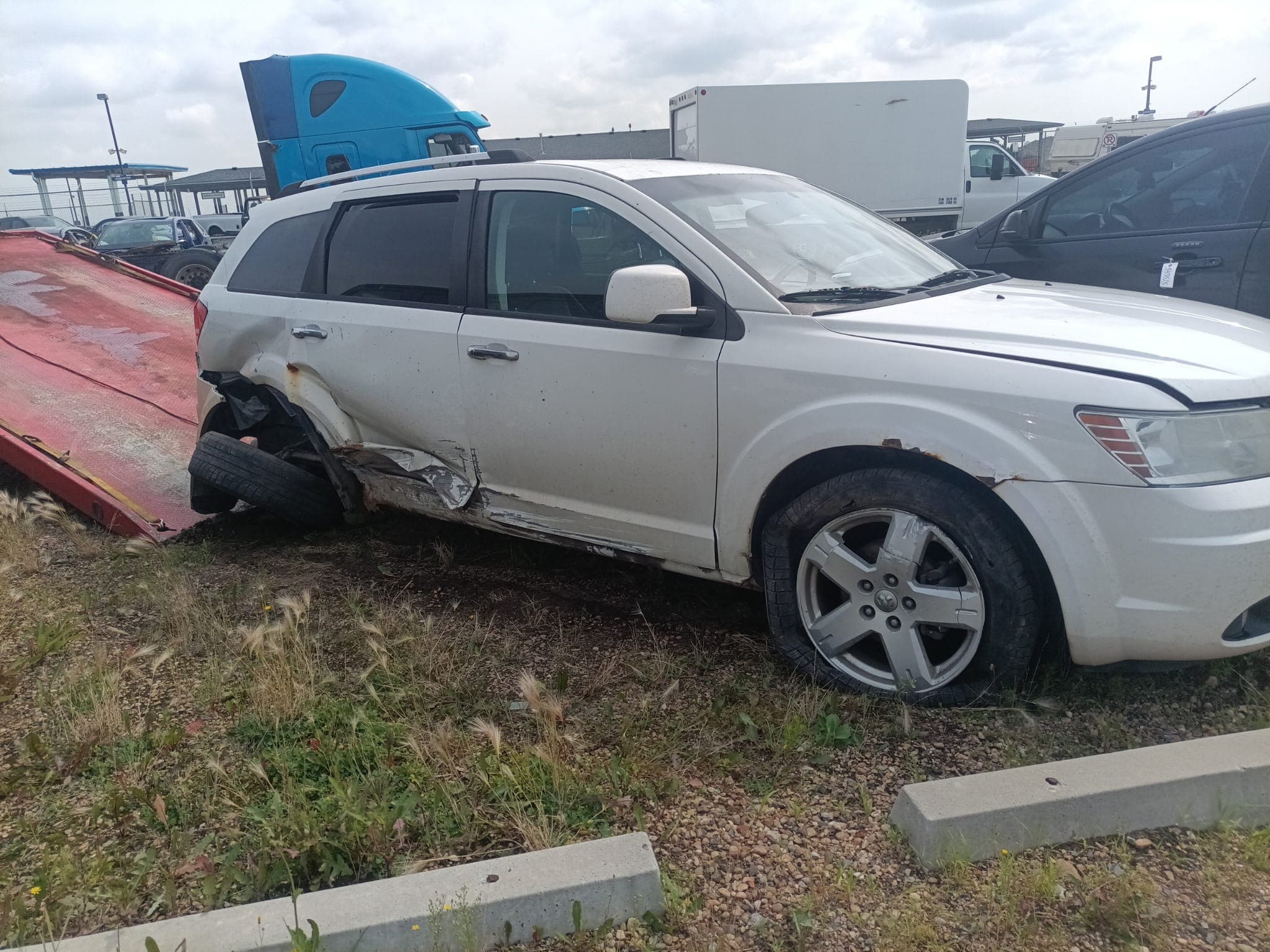
The residential side works exactly the same way and is equally welcome. Commuter cars, family SUVs, minivans and older sedans — running, non-running, hail-damaged, written off, or parked since 2018.
It doesn't need to start, roll, steer or have keys. See cash for non-running cars and cash for hail damaged cars.
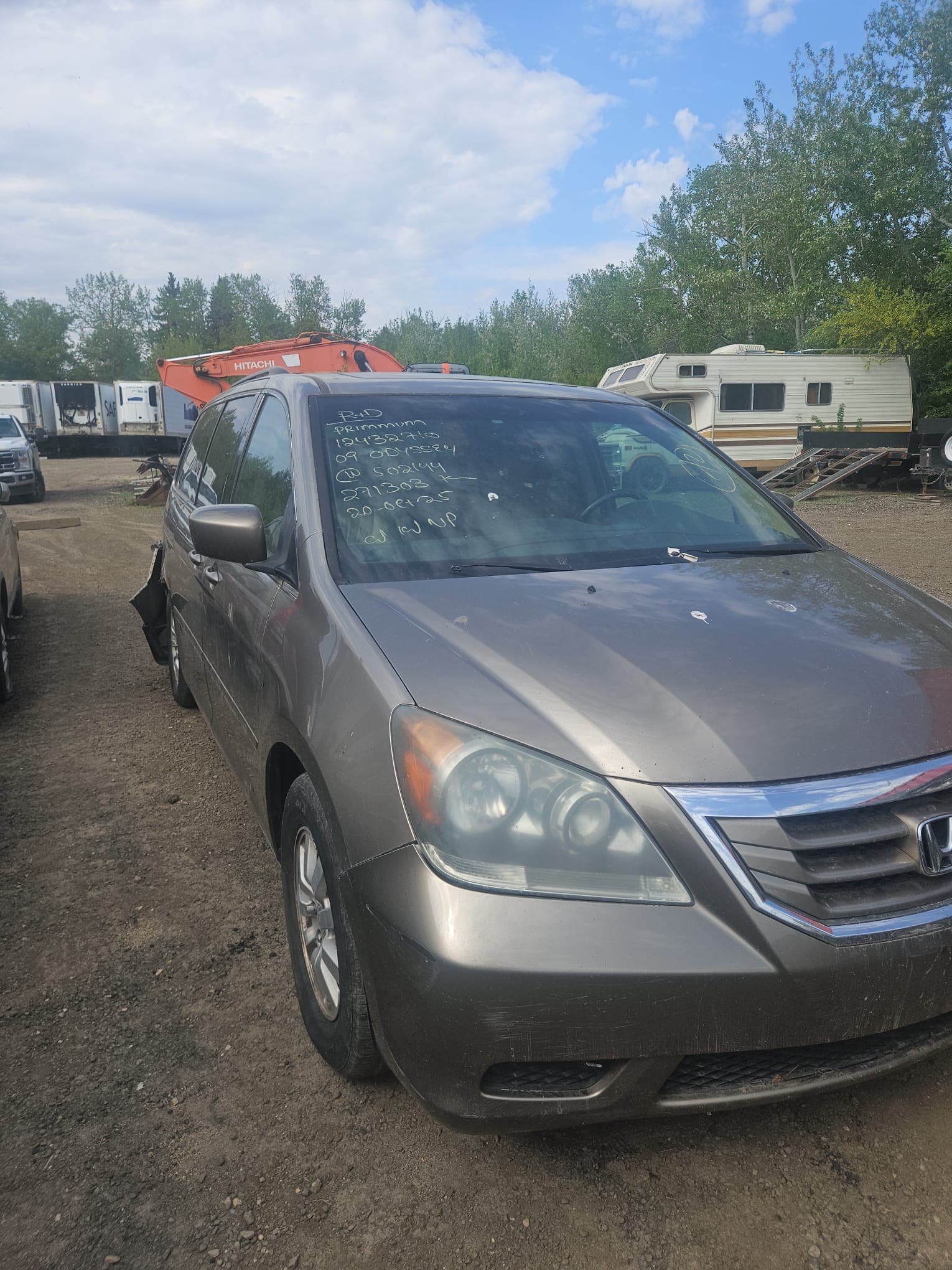
The base, and where this area's vehicle mix leads decisively.
Often the highest-value single component, because of the platinum, palladium and rhodium inside. Larger engines carry higher-value units and many V6 and V8 configurations run more than one. Trucks on remote properties are frequent theft targets, so check underneath for a cleanly sawn section of exhaust before you call.
Drivetrain, panels, glass, wheels, interior, plus mounted equipment.
Reflected honestly.
Pricing mechanics on cash for scrap cars; parts valuation on cash for junk cars.
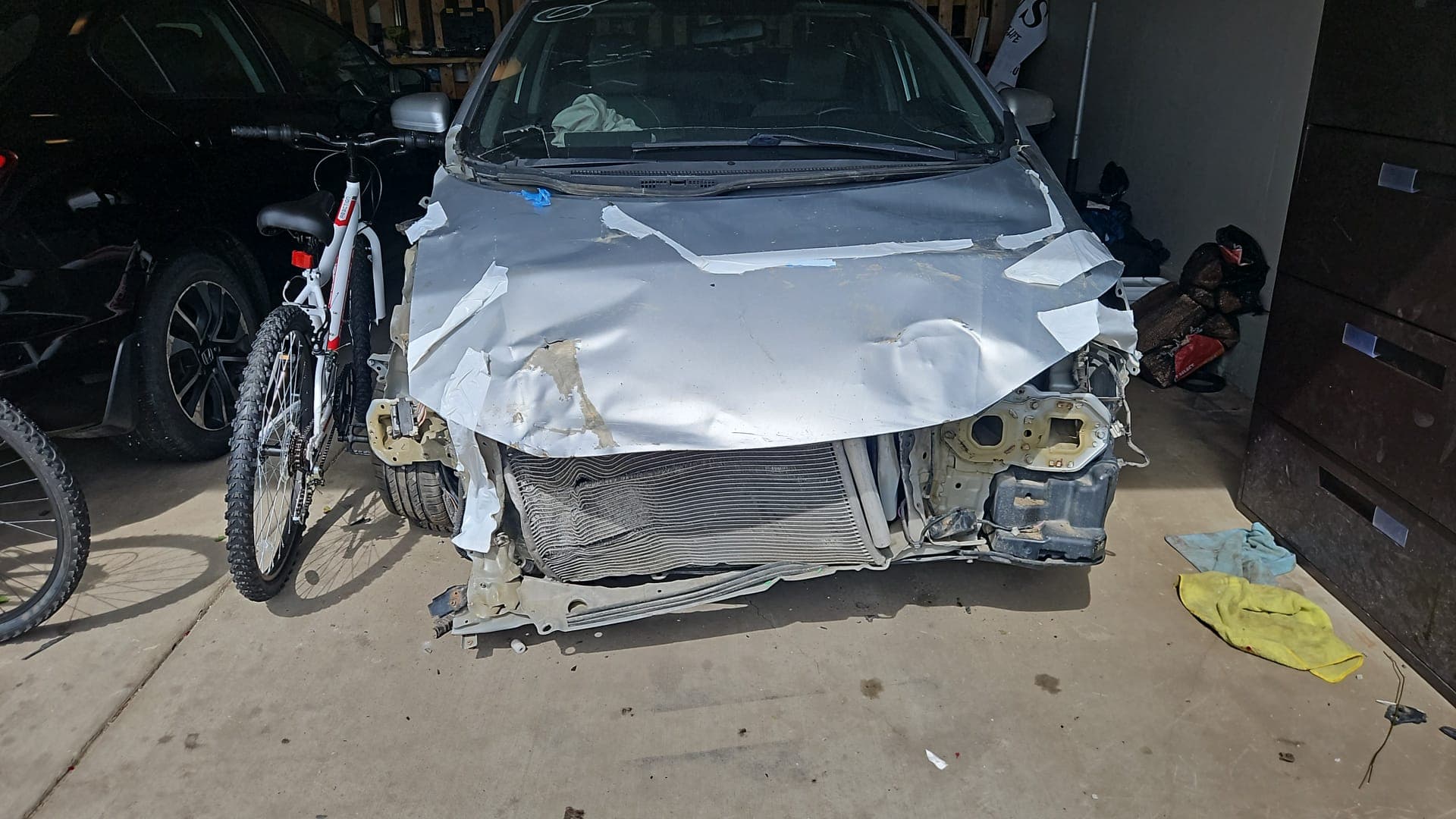
Every vehicle we collect is depolluted before anything else happens: engine oil, transmission and differential fluid, coolant, brake and power steering fluid and remaining fuel drained and captured separately, battery pulled for lead reclamation, refrigerant recovered rather than vented, tires into Alberta's recycling stream, mercury switches removed from older units before shredding. Reusable components are pulled, and the shell goes to a licensed recycler.
That matters more here than most places. A truck left on a lease site or in a bush yard leaks its full fluid load into the ground over a few seasons, and contamination becomes the landowner's remediation problem. Liability also tends to follow the registered owner, since the VIN stays attached to your name until a transfer is documented.
You receive a signed bill of sale for every vehicle — VIN, odometer, price, both parties. Full process on scrap car removal.
Proof of ownership for each vehicle, photo ID, plates removed before loading, belongings cleared. Company-registered units need documentation showing signing authority. On multi-unit clearances, assembling the paperwork usually sets the date rather than truck availability — worth starting early given the routing.
Full walkthrough on the Alberta paperwork guide. We also serve Devon, Leduc, Stony Plain, Spruce Grove and the full service area.
Yes. It's the furthest point in our service area, and runs here are usually routed with other pickups in the same direction — so occasionally a day or two rather than same-day.
No. Same vehicle, same quote. Distance is our cost to manage.
Yes — they're the highest-value vehicles we handle. Describe any mounted equipment, since it adds.
Yes. Transmission, transfer case, axles, turbo and injection system all hold significant value on their own.
Tell us upfront so the quote is accurate. It affects the valuation but the truck is still worth real money.
Yes, and it's the most efficient way to work at this distance. Give us the count on the first call.
Usually. Describe the access, ground conditions and gate widths when booking.
Call (780) 202-2274 with the vehicle details — or the count — plus access and ground conditions. Firm numbers in minutes, free towing at any distance, cash on pickup.
Call (780) 202-2274