Kilometres accumulate fast.
A daily Vegreville–Edmonton commute puts on distance at a rate no urban driver approaches. Vehicles here reach two and three hundred thousand kilometres years earlier than they otherwise would.
Vegreville sits on the Yellowhead, about a hundred kilometres east of Edmonton, at the centre of a region shaped by Ukrainian settlement. The pysanka on the east edge of town — the largest in the world, built in 1974 — is the landmark everyone knows, and the heritage behind it runs through the whole County of Minburn.
It's also a place where families have farmed the same land for three and four generations, which produces a very particular kind of vehicle: the one that belonged to a grandfather, has been in the machine shed since the nineties, and that nobody has quite wanted to make a decision about.
We buy those, along with everything else. Free towing, firm quote, cash before it's loaded.
Call (780) 202-2274.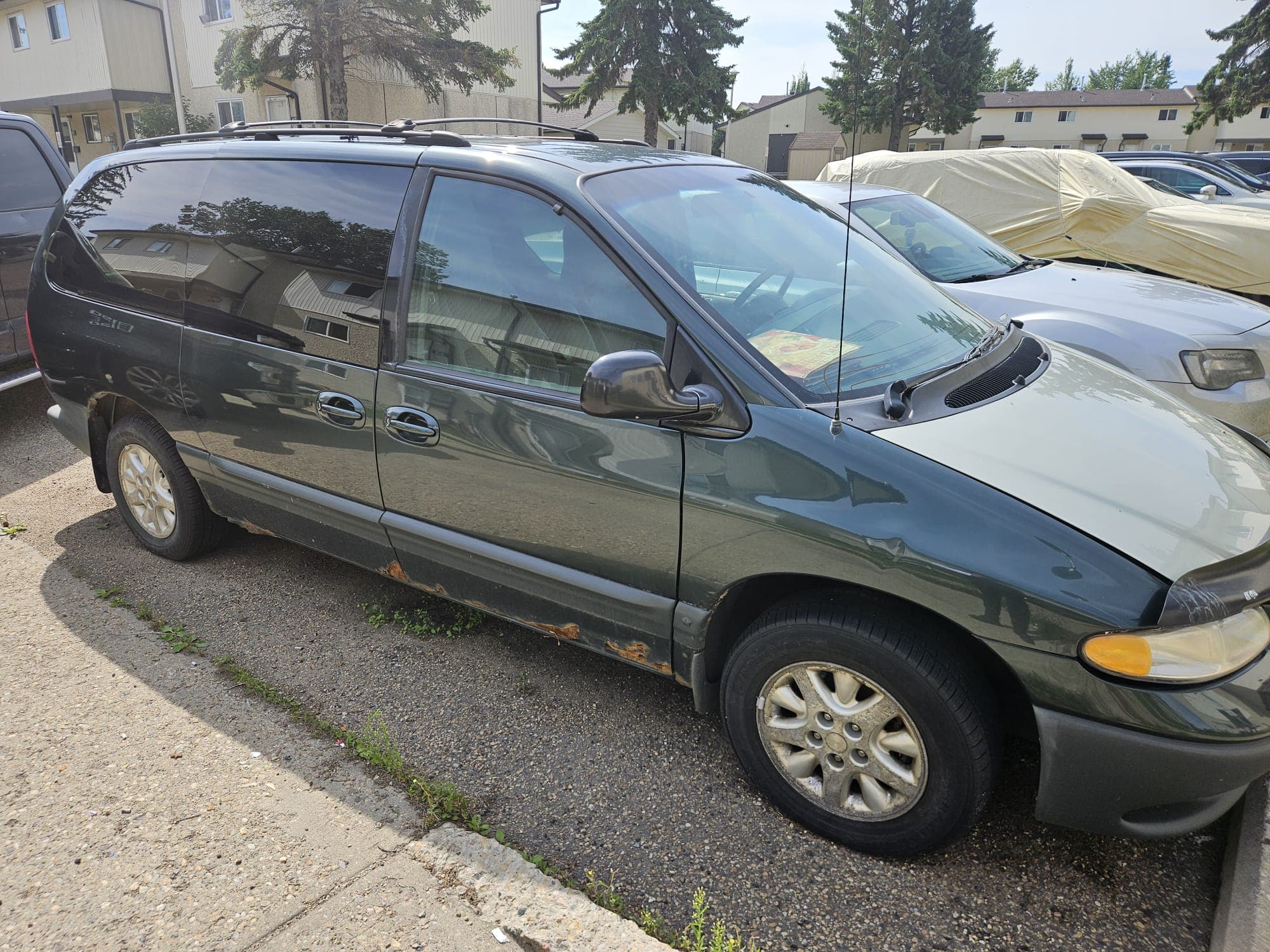
Vegreville runs on the Yellowhead. Commuters drive it into Edmonton, service and trades vehicles run it daily, and agricultural and industrial traffic moves along it constantly.
Sustained highway driving ages a vehicle differently from city driving, and it's worth knowing what it does:
A daily Vegreville–Edmonton commute puts on distance at a rate no urban driver approaches. Vehicles here reach two and three hundred thousand kilometres years earlier than they otherwise would.
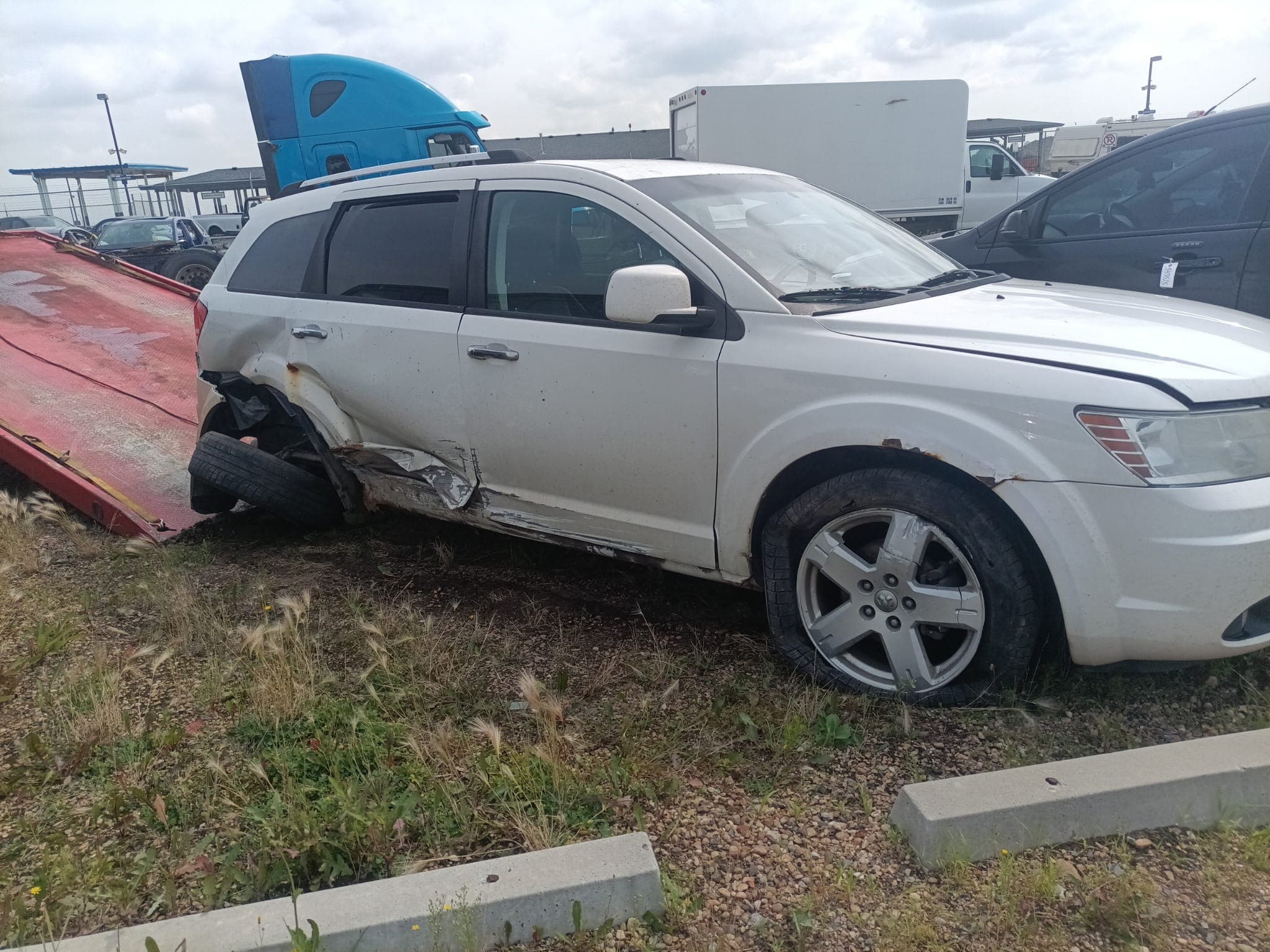
Highway 16 is treated heavily through winter, and sustained highway speed means sustained undercarriage exposure. Brake lines, fuel lines, rocker panels, floor pans and rear subframes corrode from underneath. This is what most often ends a vehicle here — not the engine, which is frequently still running fine.
Towing trailers, equipment and campers along 16 puts sustained heat into a transmission, and it's the single most common mechanical failure that finishes a mid-life truck.
Freeze-thaw pothole season destroys struts, ball joints, tie rods and wheel bearings.
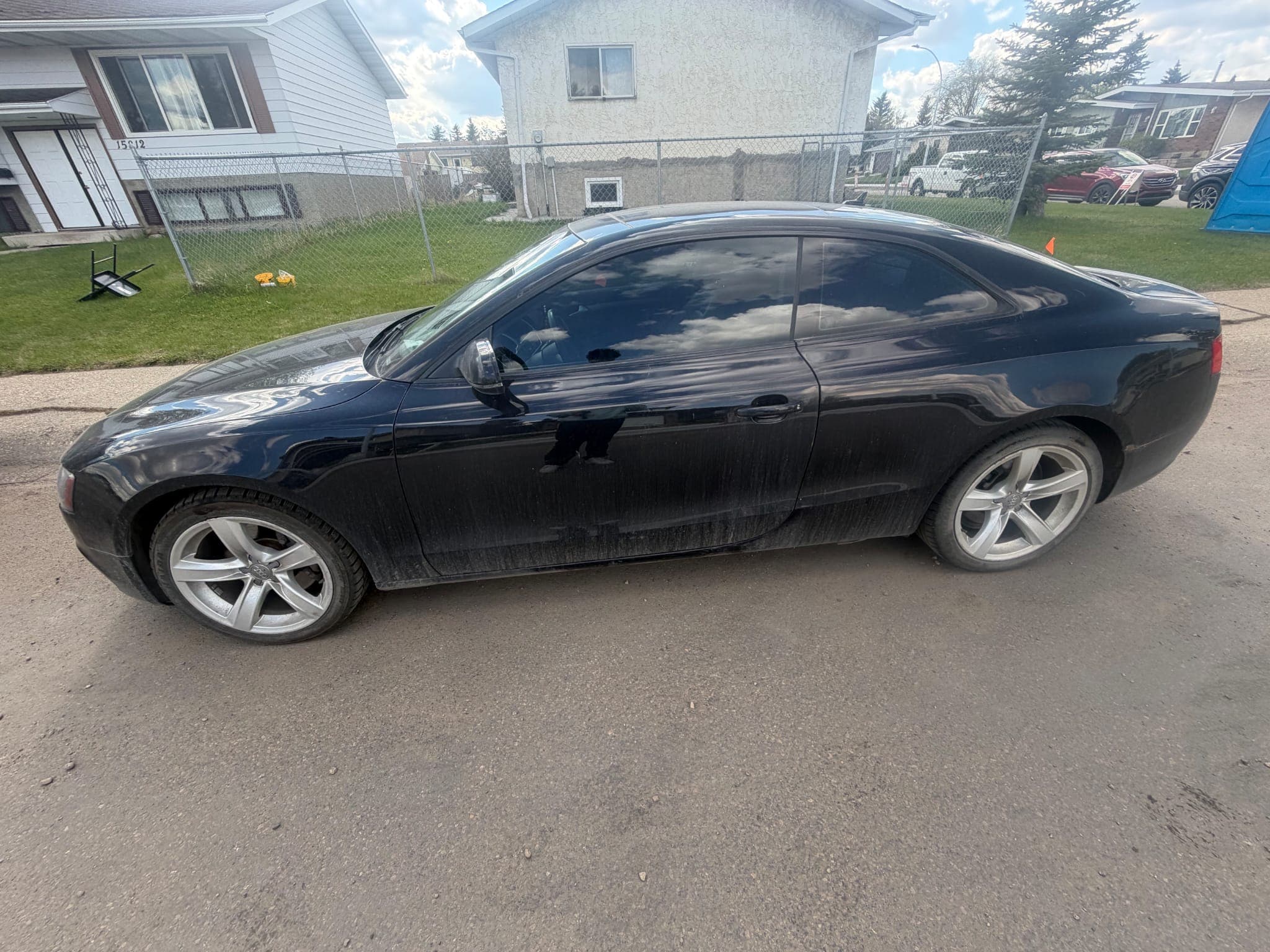
The practical result is a lot of vehicles with functional drivetrains and terminal corrosion — which is good for your offer, because a running engine and a working transmission are worth far more than scrap weight.
This is common enough around Vegreville to be worth its own section.
On a multi-generational farm, vehicles don't get sold — they get put in the shed. A truck retired in 1998 goes in the back of the machine shed, and there it stays. Sometimes it belonged to someone who has since died, and nobody has wanted to be the one to deal with it.
Two things are worth knowing about those vehicles:
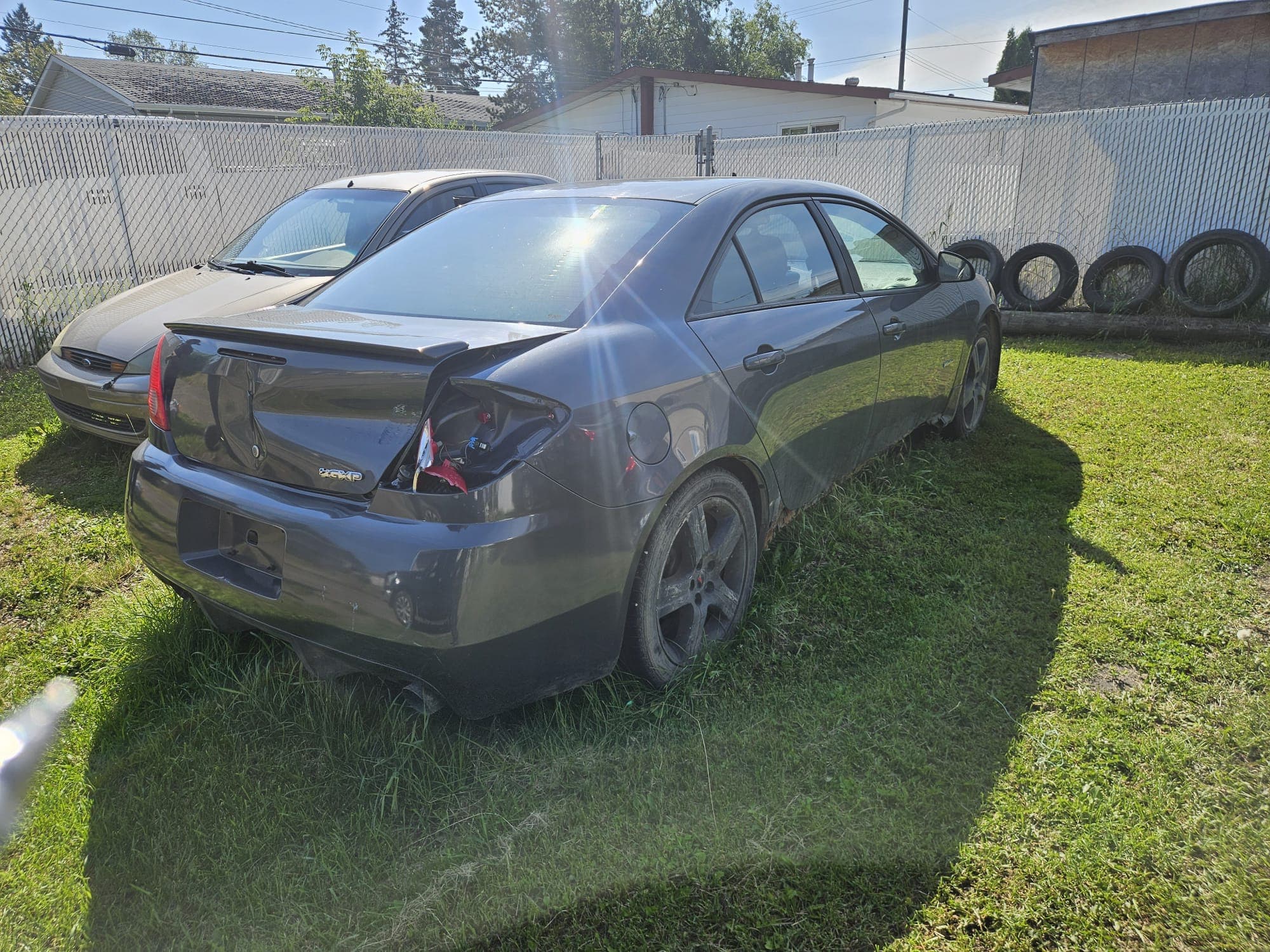
Shed-stored units are often in far better condition than their age suggests. The force that destroys vehicles in this province is winter road chemistry, and a truck that's been inside since the nineties simply hasn't taken it. The body may be straight, the glass intact, the frame solid. Even a dead drivetrain leaves a lot of good parts.
Estate documentation is workable. If the registered owner has passed, we work with executors regularly and can tell you what's needed before you start gathering paperwork. Call and describe the situation rather than assuming it's too complicated.
If there are several — and on a farm there usually are — give us the count on the first call and they'll be scheduled as one visit.
Throughout the Town of Vegreville and the County of Minburn, plus surrounding communities toward Mundare, Lavoy, Innisfree, Ranfurly and Holden.
Access handled at no charge:
Tell us the ground conditions, gate widths and how far each vehicle sits from a usable approach — on rural property those matter far more than distance from Edmonton, and distance never reduces your offer. See free towing.
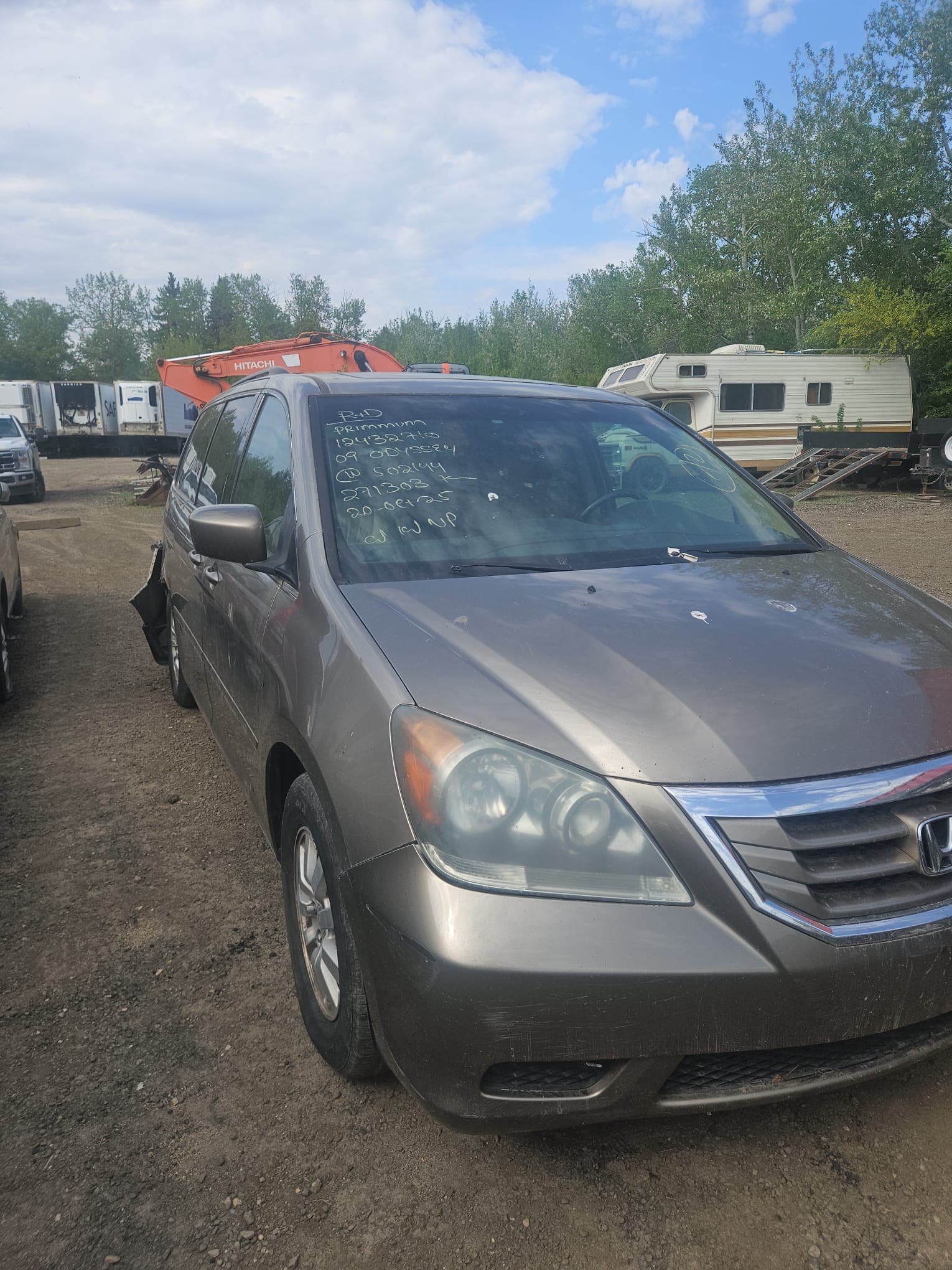
The base of every quote. A half-ton carries roughly double the recoverable metal of a compact car; a heavy-duty diesel closer to triple.
Frequently the highest-value single component on an end-of-life vehicle, because of the platinum, palladium and rhodium inside. Vehicles sitting unattended on rural properties are common theft targets — check underneath for a cleanly sawn section of exhaust before you call and tell us either way.
Where Vegreville does well, on both counts: highway vehicles often keep a functional drivetrain while the underside corrodes, and shed-stored vehicles keep straight bodies, good glass and clean interiors.
Missing engine, transmission or wheels, and rot through the frame rails, reflected honestly.
Full pricing mechanics on cash for scrap cars; parts valuation on cash for junk cars.
Describe the vehicle accurately and the number quoted on the phone is the number you're handed. We don't renegotiate on arrival.
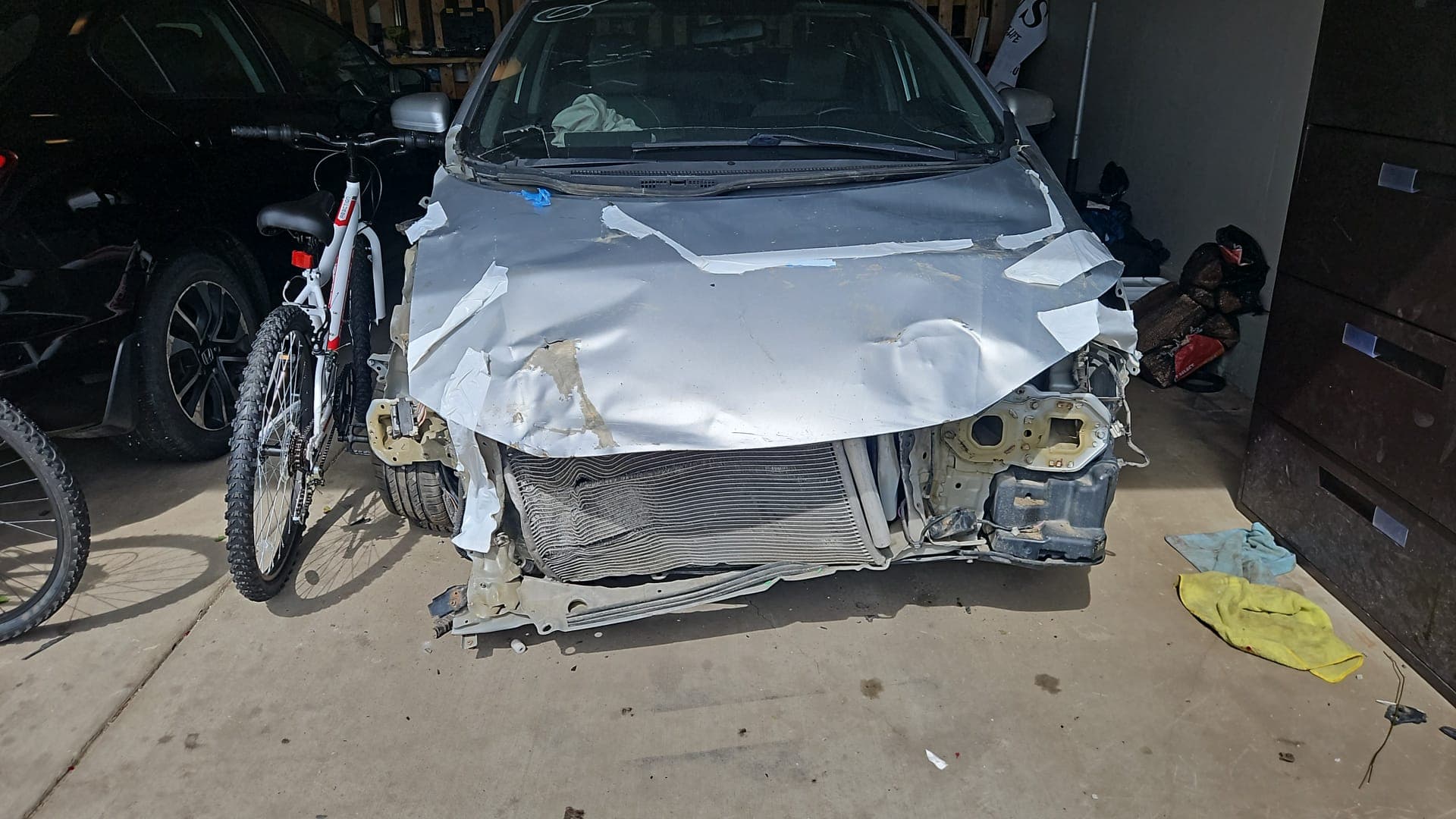
Every unit we collect is depolluted before anything else happens: engine oil, transmission and differential fluid, coolant, brake and power steering fluid and remaining fuel drained and captured separately, battery pulled for lead reclamation, refrigerant recovered rather than vented, tires into Alberta's recycling stream, and mercury switches removed from older vehicles before shredding.
Reusable components are then pulled, and the shell goes to a licensed recycler for shredding. Full sequence on scrap car removal.
The alternative is a vehicle that leaks its full fluid load into your own soil over a few seasons. You also receive a signed bill of sale at pickup — VIN, odometer, price, both parties — which is your documented record that it left your ownership on a specific date.
Proof of ownership for each vehicle — registration, estate documentation, or a lien discharge if financed. Photo ID. Plates off before we load. Farm or company-registered units need documentation showing signing authority.
On multi-unit clearances, gathering paperwork is usually what sets the date rather than truck availability. Full walkthrough on the Alberta paperwork guide.
We also serve Fort Saskatchewan, Sherwood Park, Camrose and the full service area.
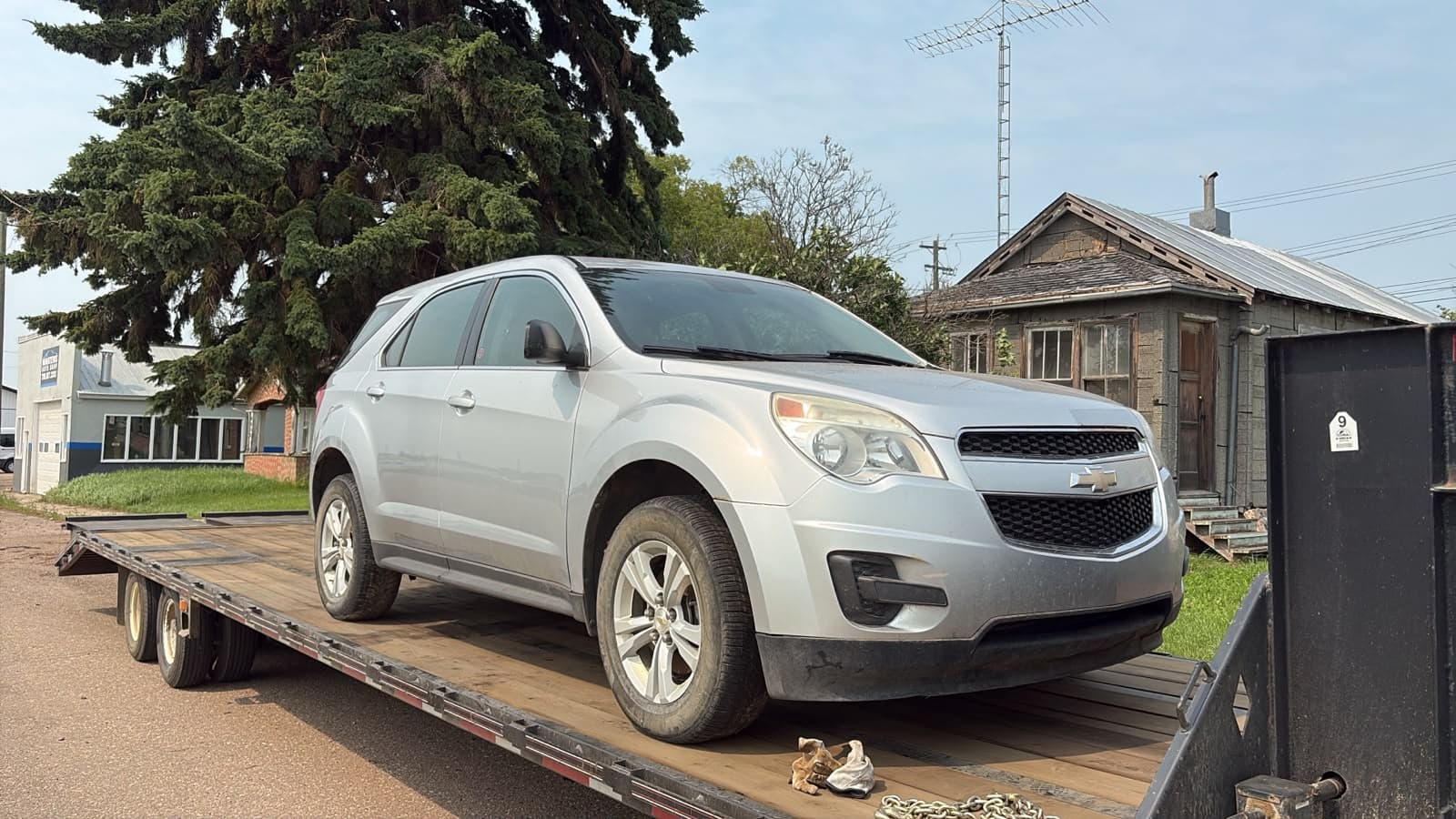
Yes, regularly. No distance charge, and distance never reduces your offer.
Often more than you'd expect. Shed storage protects a vehicle from the road brine that destroys everything parked outside, so the body, glass and parts are usually in good condition.
Yes, with the appropriate estate documentation. Call and describe the situation and we'll tell you what's needed.
Yes. Give us the count on the first call and they're scheduled as one visit.
Yes. Clear a path and we'll winch it out — it doesn't need to start or roll.
Yes, and usually well. A working engine and transmission carry real value even when the vehicle can't be safely repaired.
Yes, with nothing deducted from your payout.
Call (780) 202-2274 with the vehicle details — or the count — plus where they're sitting and the ground conditions. Firm numbers in minutes, free towing, cash on pickup.
Call (780) 202-2274