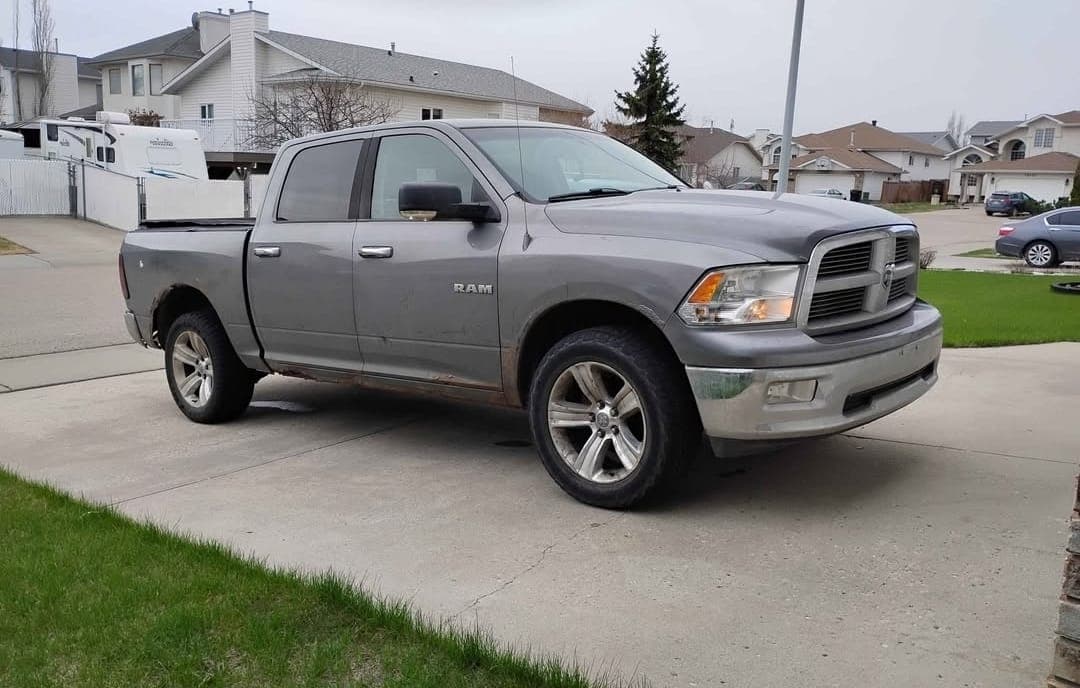
A junk car
A junk car is one that isn't worth repairing but may still have resale value in its parts — a running engine, a good transmission, straight body panels, intact interior.
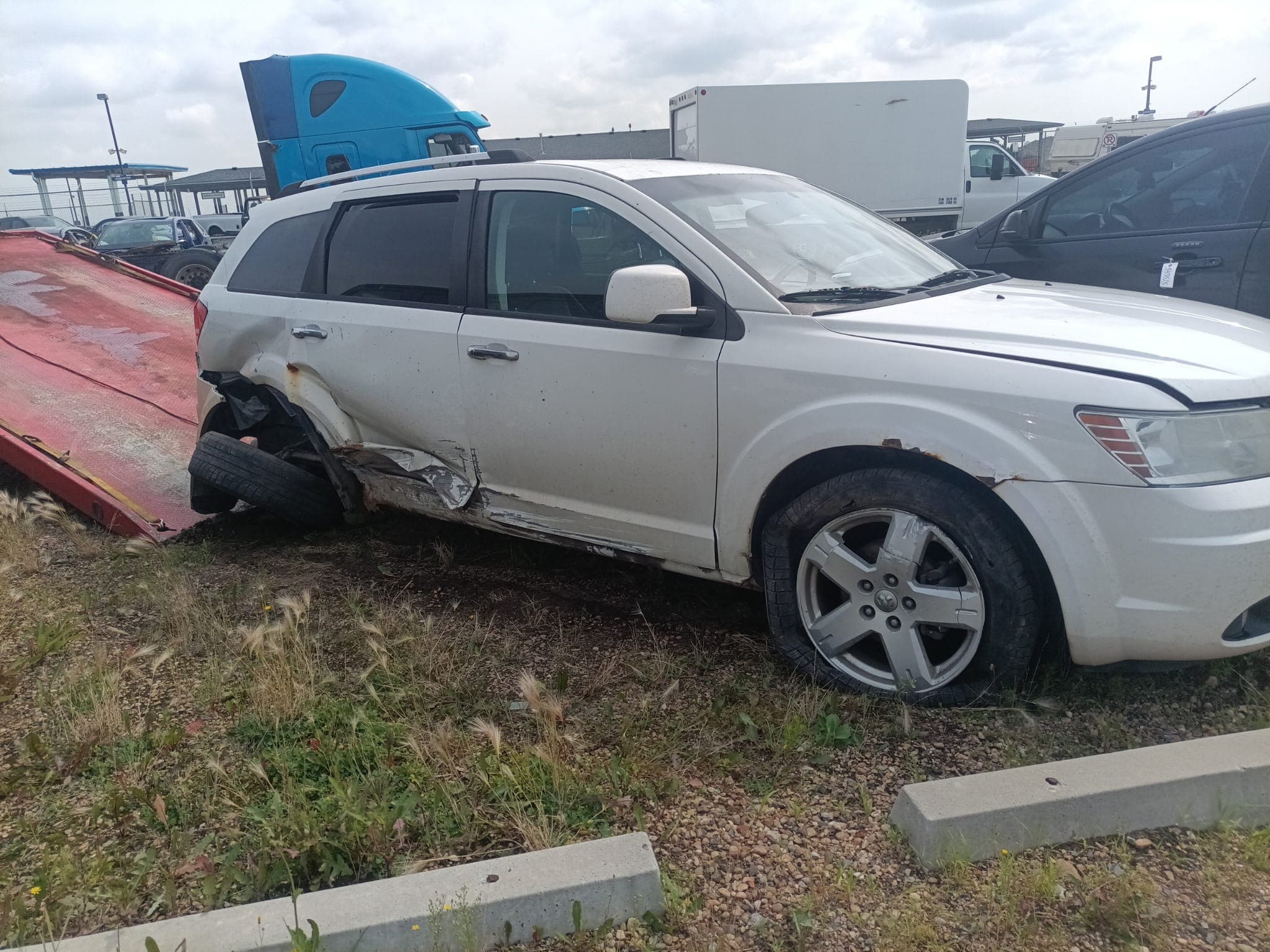
When a vehicle reaches the end of its life, it doesn't just disappear. It contains roughly 250 litres of fluid, a lead-acid battery, refrigerant, four tires, mercury switches in some older models, and about a tonne of recoverable metal. What happens to all of that after it leaves your driveway is a legitimate question, and most Edmonton scrap car services never answer it.
We do. YEG Cash For Cars removes scrap vehicles anywhere in the Edmonton region, tows free, pays cash on pickup, and processes every vehicle through a proper end-of-life sequence rather than dumping it in a field.
Call (780) 202-2274 for a scrap value on your vehicle.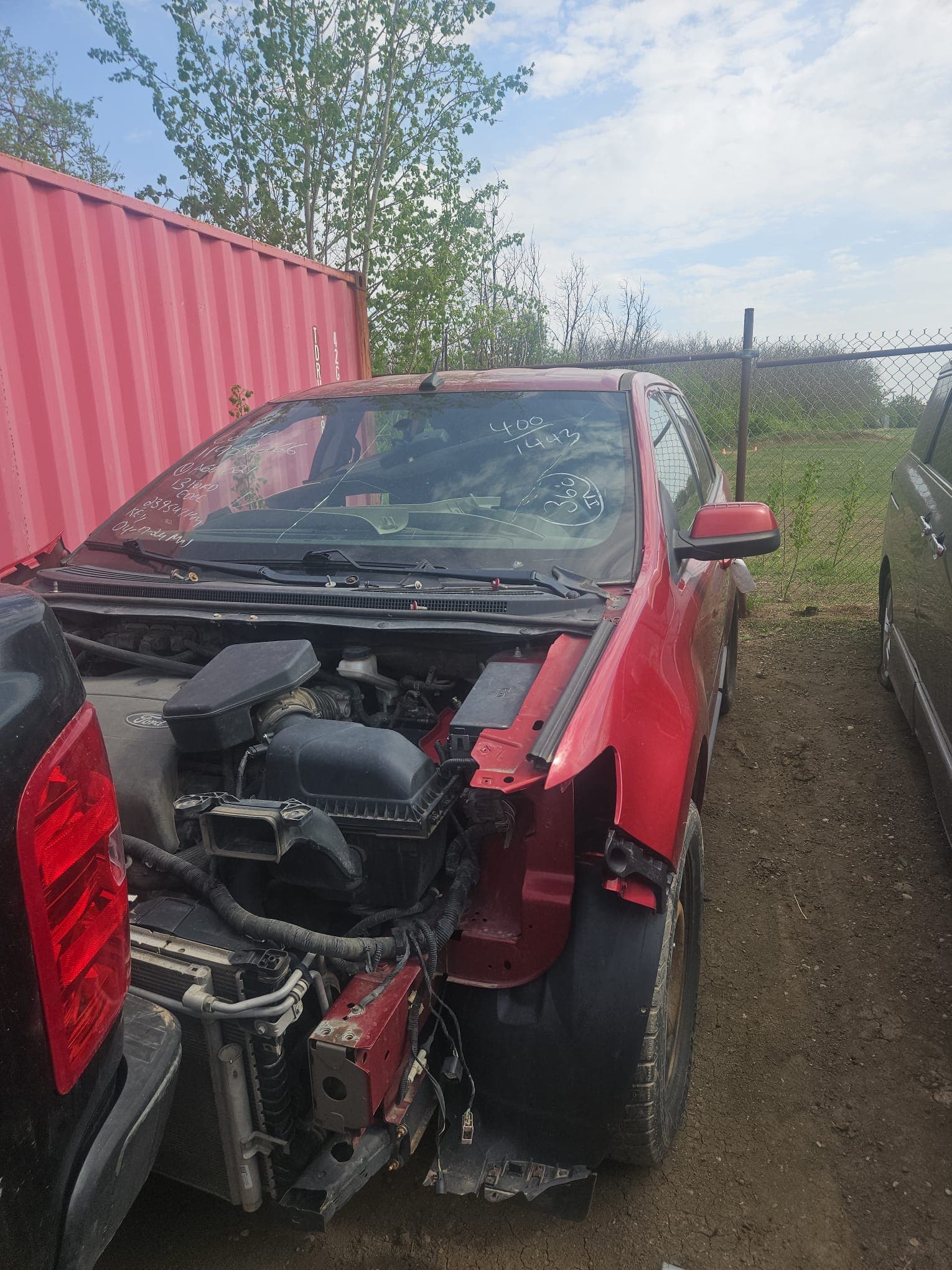
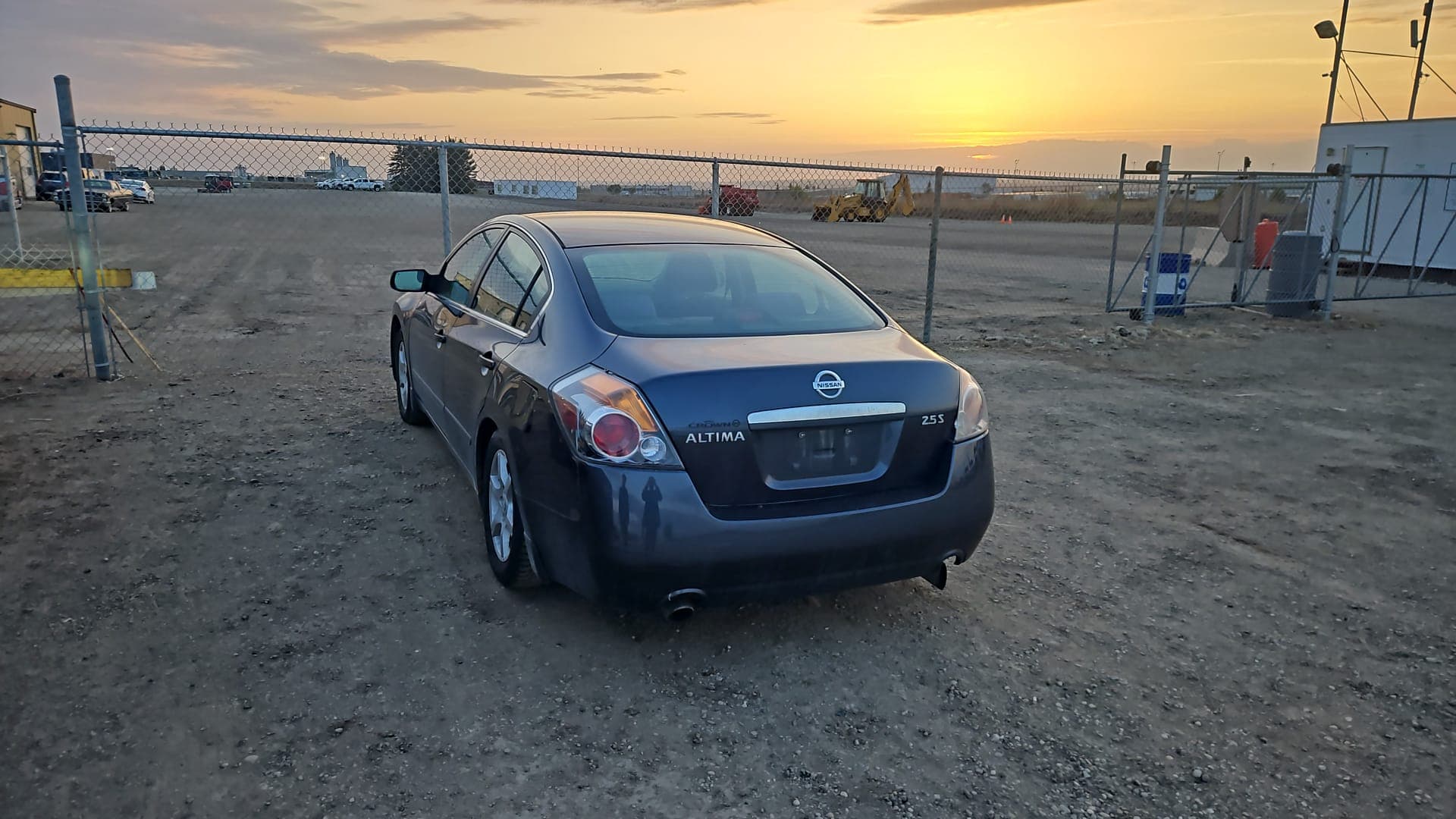
There's a distinction worth understanding, because it determines what your vehicle is worth.
A junk car is one that isn't worth repairing but may still have resale value in its parts — a running engine, a good transmission, straight body panels, intact interior.
A scrap car has passed even that point. The drivetrain is finished, the body is rotted through, or it's been picked over already. What remains is material: ferrous metal, non-ferrous metal, and a catalytic converter.
Most vehicles we collect sit somewhere between the two, and we assess each one individually. If yours still has recoverable parts, you're paid more than scrap value — which is why we don't quote a flat per-car rate. If you want the parts-value side of that conversation, it's on cash for junk cars; the metal-pricing mechanics are broken down on cash for scrap cars.
This is the part nobody explains, so here it is in order.
Before anything else, the vehicle is drained. Engine oil, transmission fluid, differential and transfer case oil, coolant, brake fluid, power steering fluid, washer fluid and remaining gasoline or diesel are removed and captured separately. Used oil, oil filters and glycol antifreeze fall under Alberta's regulated recycling programs and go to registered collection points rather than a drain.
Lead-acid batteries are pulled and sent for lead reclamation. They are among the most recycled products in North America and there's no reason for one to end up in a landfill.
Air conditioning systems contain refrigerant that must be recovered by certified handling rather than vented. Older vehicles may still carry R-12; newer ones R-134a or R-1234yf.
Tires are removed and directed into Alberta's tire recycling stream, where they're processed into crumb rubber for playground surfacing, athletic tracks and roadbed material. Aluminum wheels are separated as non-ferrous.
Certain vehicles built before the mid-2000s used mercury switches in hood and trunk lighting and in some ABS assemblies. These are removed before shredding, because mercury released in a shredder contaminates everything downstream.
Anything with remaining useful life is inventoried and pulled — alternators, starters, transmissions, doors, seats, glass, lighting, catalytic converters. This is the highest-value form of recycling, because a reused part displaces the entire manufacturing footprint of a new one.
What's left is crushed or baled and sent to a licensed recycler for shredding, where ferrous and non-ferrous metals are separated magnetically and by density. Steel from an Edmonton scrap car re-enters the supply chain as new steel.
A vehicle processed this way is recovered at a very high rate by weight. One left in a back field leaks its entire fluid load into the ground over a few seasons.
Abandoning a vehicle isn't a victimless shortcut in Alberta.
If a car is dumped on rural land, on a road allowance, or behind a commercial property, liability tends to follow the registered owner — the VIN is still attached to your name until a transfer is documented. Environmental contamination on a property can also become the landowner's remediation problem, which is expensive in a way that dwarfs anything a scrap car is worth.
The protection is simple: a bill of sale with the VIN, the date, the sale price and both parties' details, signed at pickup. That document is your record that the vehicle left your ownership on a specific day and went to a specific buyer. We provide one on every single removal, without being asked. Keep it.
Details on the rest of the Alberta process — plate removal, registration, insurance cancellation — are on our paperwork guide.
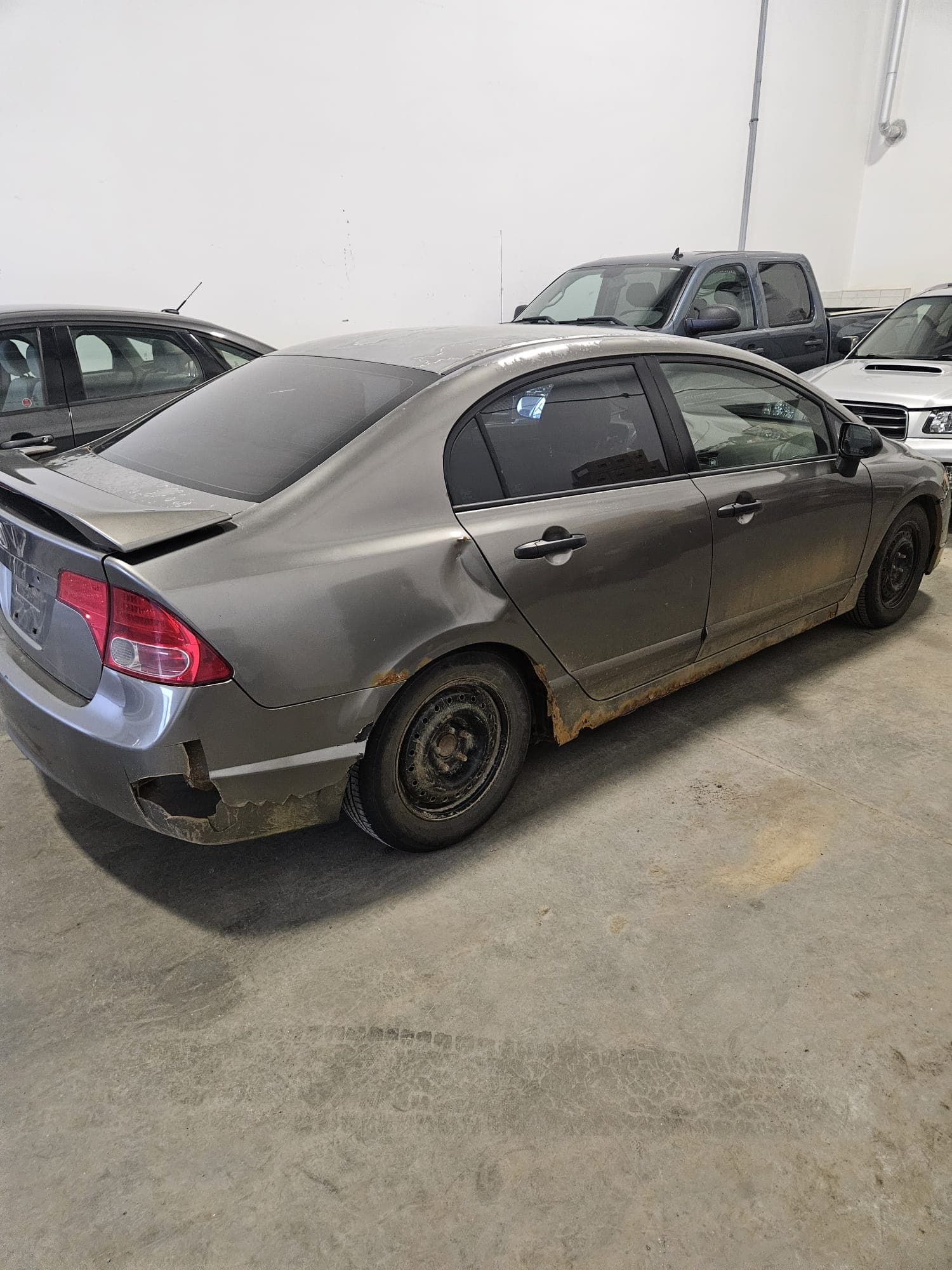
We take end-of-life vehicles of every description:
Condition genuinely doesn't matter. The only thing that changes is the number.
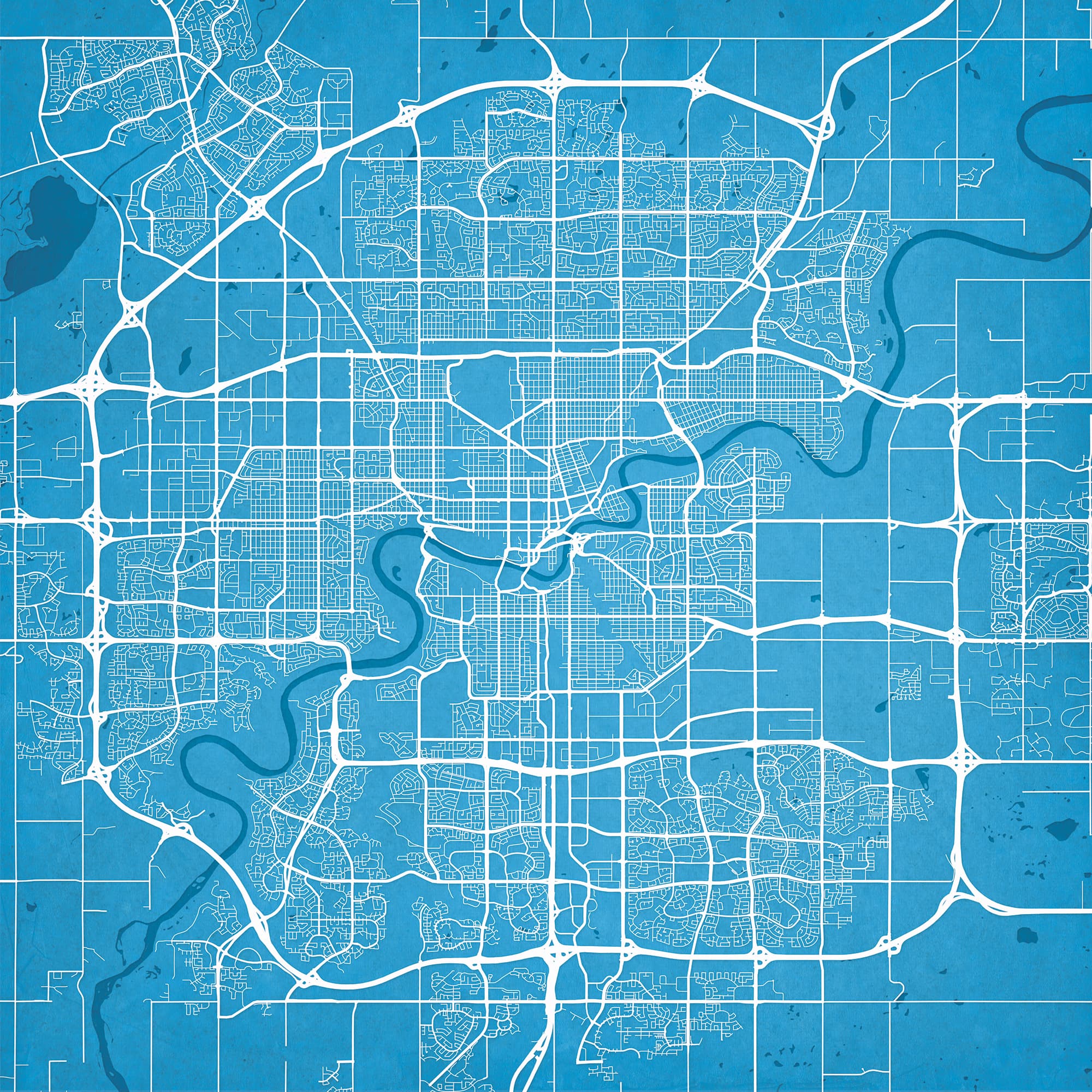
Scrap car removal is free across Edmonton and the surrounding communities. That includes winching from garages, rear lanes and rural yards, and it includes long hauls out to Camrose, Drayton Valley, Wetaskiwin and Westlock. We do not deduct towing from your payout — see free towing in Edmonton for how that works.
If your situation is more about getting an eyesore off the property against a deadline than about recycling, junk car removal is the page you want.
Call or text with the year, make, model, approximate kilometres and condition. Mention if the catalytic converter is missing, if the engine or transmission is gone, or if it's been stripped — accuracy gets you a firm number that doesn't move.
We quote. That quote is what you're paid.
We schedule, usually for the same or next day. Remove your plates, gather your registration and ID, and clear the vehicle of personal belongings — check under seats, in the spare tire well and in the glovebox, because it isn't coming back.
Driver arrives, paperwork is signed, cash changes hands, vehicle is loaded and gone.
It depends on the vehicle's weight, whether the catalytic converter is present, and what parts remain usable. Heavier vehicles carry more recoverable metal. Call with the details for a real figure.
No. Removal and towing are free and you're paid on pickup.
It's depolluted, stripped of reusable components, and the shell goes to a licensed recycler for shredding. The process is described in detail above.
Yes. A shell with no engine still has value as metal, though the offer reflects what's missing.
Someone with authority to sign the bill of sale and hand over ownership documents needs to be present.
Tell us in advance. Removing the catalytic converter, wheels or battery changes the vehicle's value, so the quote has to reflect the car as it will actually be at pickup.
You receive a signed bill of sale at pickup recording the transfer. Keep it as your record.
Call (780) 202-2274 with the vehicle details. Firm quote in minutes, free pickup, cash in hand, and a car that gets recycled the way it should be.
Call (780) 202-2274