YEG Cash For Cars vehicle pickup

Cash For Non-Running Cars Edmonton

We Come to You, You Get Paid on the Spot

Same-day pickupMost Edmonton sellers go from first call to cash in hand the same day.
Free towingFree towing, paid on the spot.
10+Years in business
1000+Cars Scrapped Monthly
5 StarRating
Call Us (780) 202-2274

Get a Free Quote

Tell us the year, make, model, and condition. We will get back to you quickly.

Cash For Non-Running Cars in Edmonton — It Doesn’t Need to Start, Move, or Have Keys

A car that won't start is worth considerably more than most people assume, and considerably less than a repair shop's estimate suggests you should spend on it. The gap between those two facts is where a lot of Edmonton money gets wasted.

We buy non-running vehicles in any condition, tow them free, and pay cash on pickup. Before you sell, though, this page will help you work out whether you should — because sometimes the answer is that a $340 repair brings the thing back to life, and we'd rather tell you that than take it.

Describe the symptoms: (780) 202-2274
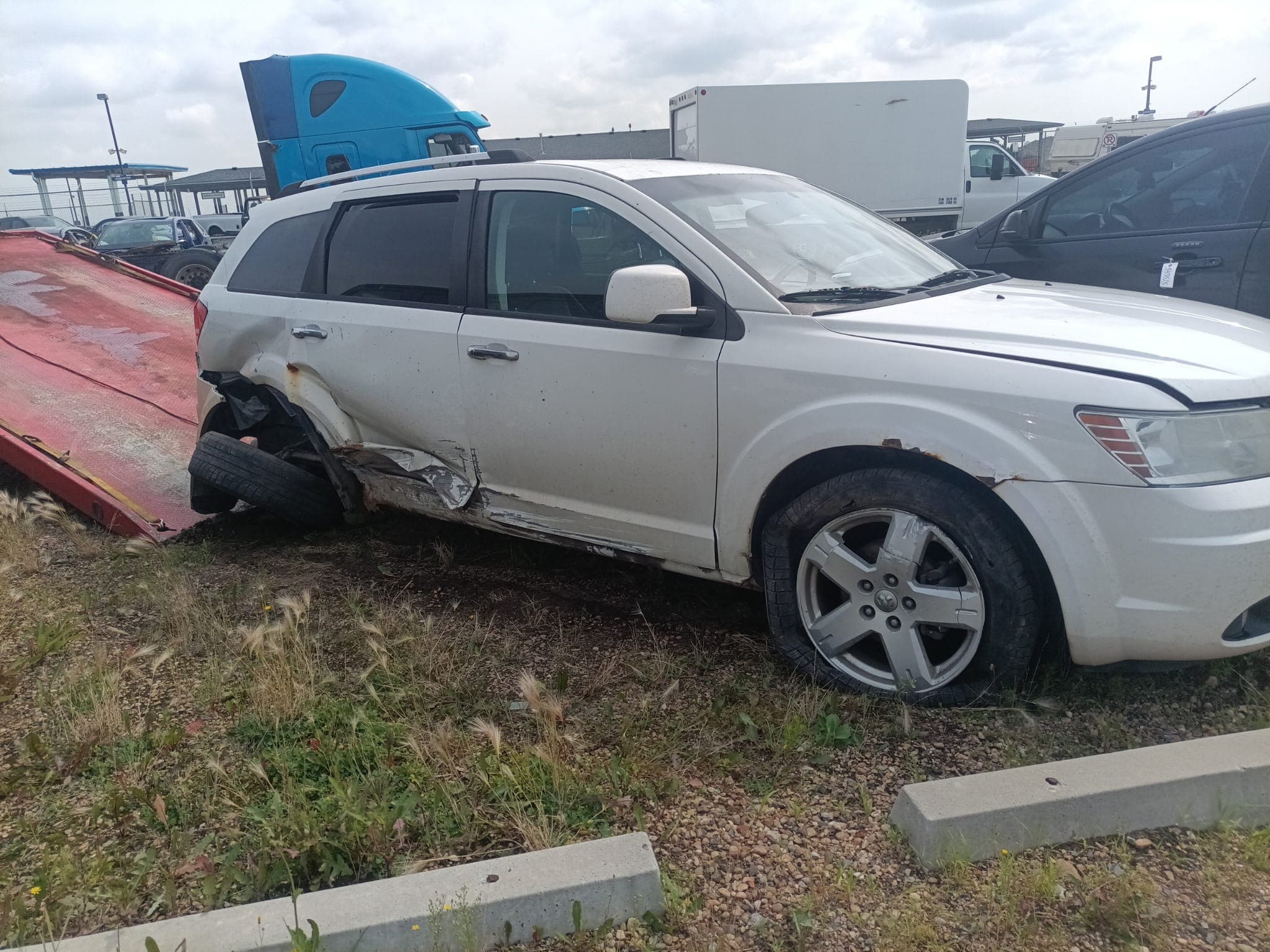
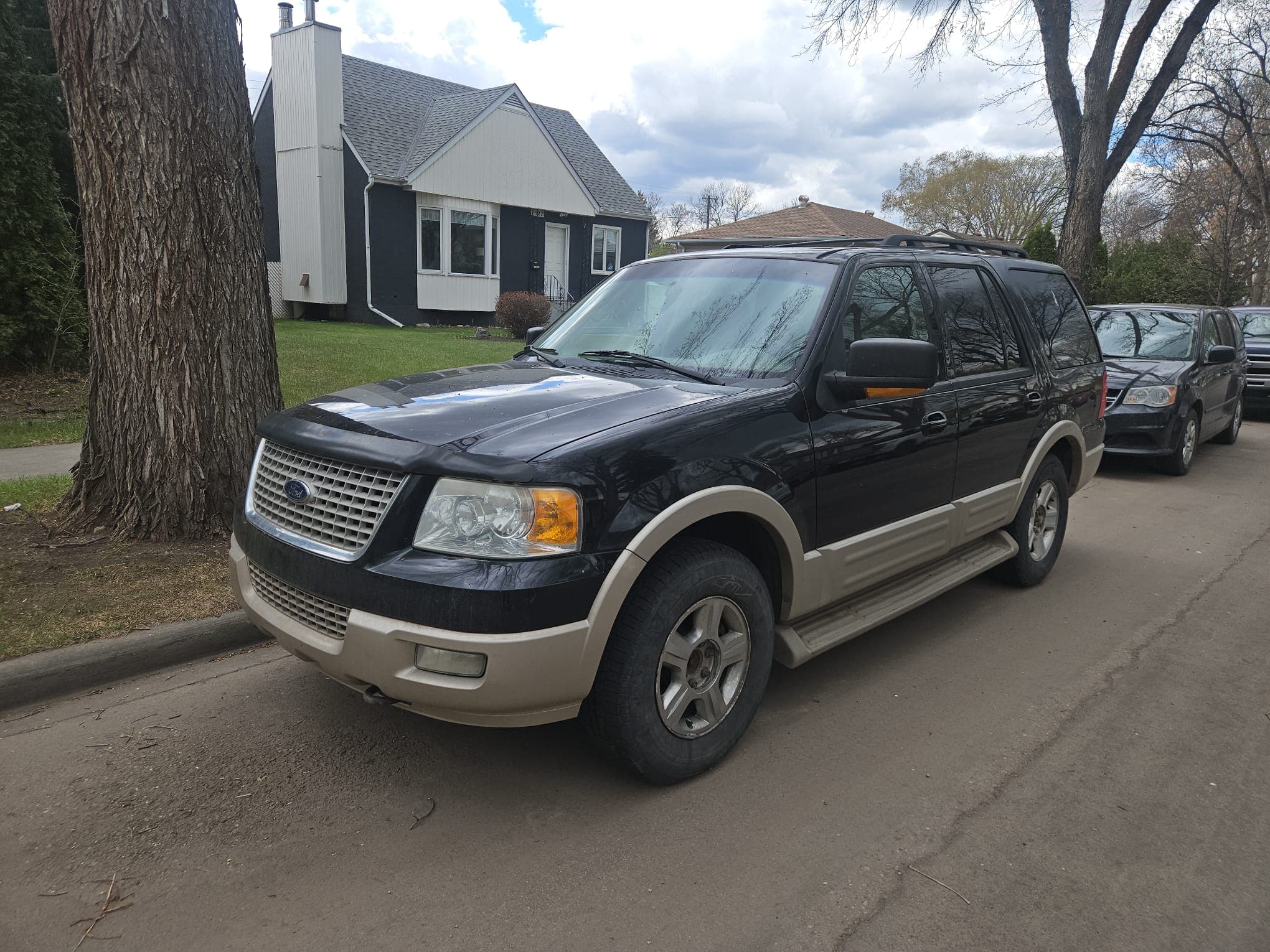
Non-running vehicle ready for cash offer in Edmonton

First — Is It Actually Dead?

Some no-start conditions are cheap. Before writing off a vehicle, rule these out.

Dead battery.

The most common cause by an enormous margin, particularly after an Edmonton cold snap. Lead-acid batteries lose a significant portion of their cranking capacity at -30 °C, and a battery that was marginal in October is finished by January. If the dash lights are dim or you hear rapid clicking, this may be a $200 fix.

Corroded terminals or a bad ground.

Costs almost nothing and produces symptoms identical to a dead battery.

Failed starter.

A single click, or nothing at all with a healthy battery. Not cheap, but not catastrophic.

Bad fuel.

Gasoline left sitting for two or three years degrades and gums up injectors. Diesel gels below about -20 °C without proper winter fuel or an additive, which is why plenty of Alberta diesels won't crank in February.

Seized brakes.

Extremely common on vehicles parked outside through Edmonton winters. Calipers rust to the rotors and the car won't roll — but the engine may be perfectly fine. This is a “won't move,” not a “won't run,” and the distinction matters.

If any of these describe your vehicle and the rest of it is sound, get it looked at before you sell. A car that runs is worth more than one that doesn't, both to us and to anyone else.

And When It Genuinely Is Finished

These are the failures that usually end a vehicle's life in this market:

Seized engine.

No rotation at all. Usually the end result of oil starvation or a coolant leak into the cylinders. On anything over ten years old, replacement rarely makes financial sense.

Blown head gasket.

White exhaust smoke, coolant loss with no visible leak, milky oil, chronic overheating. Repair runs into the thousands because of the labour involved, and on a high-kilometre engine you're rebuilding around other worn components.

Failed transmission.

Slipping, harsh or absent engagement, or no movement at all. Frequently the single most expensive repair on a mid-life vehicle and the most common reason a mechanically sound car gets scrapped.

Timing chain or belt failure.

On an interference engine, this bends valves and the repair approaches the cost of a replacement engine.

Rusted brake and fuel lines.

Underappreciated and very Alberta. A decade of road brine off the Whitemud, Yellowhead Trail and Anthony Henday corrodes lines to the point where they can't be safely repaired piecemeal. A vehicle that fails on this alone can be genuinely uneconomical to fix even with a healthy drivetrain.

Structural rust.

Rot through the frame rails, subframe mounts or floor pans. This isn't repairable in any practical sense and it's a safety issue.

Failed Out of Province inspection.

A vehicle brought into Alberta that fails inspection can require a repair list exceeding its value before it can be registered here at all.

The Repair-or-Sell Calculation, Done Properly

The question is not “does the repair cost less than the car is worth.” It's:

Repair cost + probable next failure within a year versus what the car brings as-is + the real cost of replacing it.

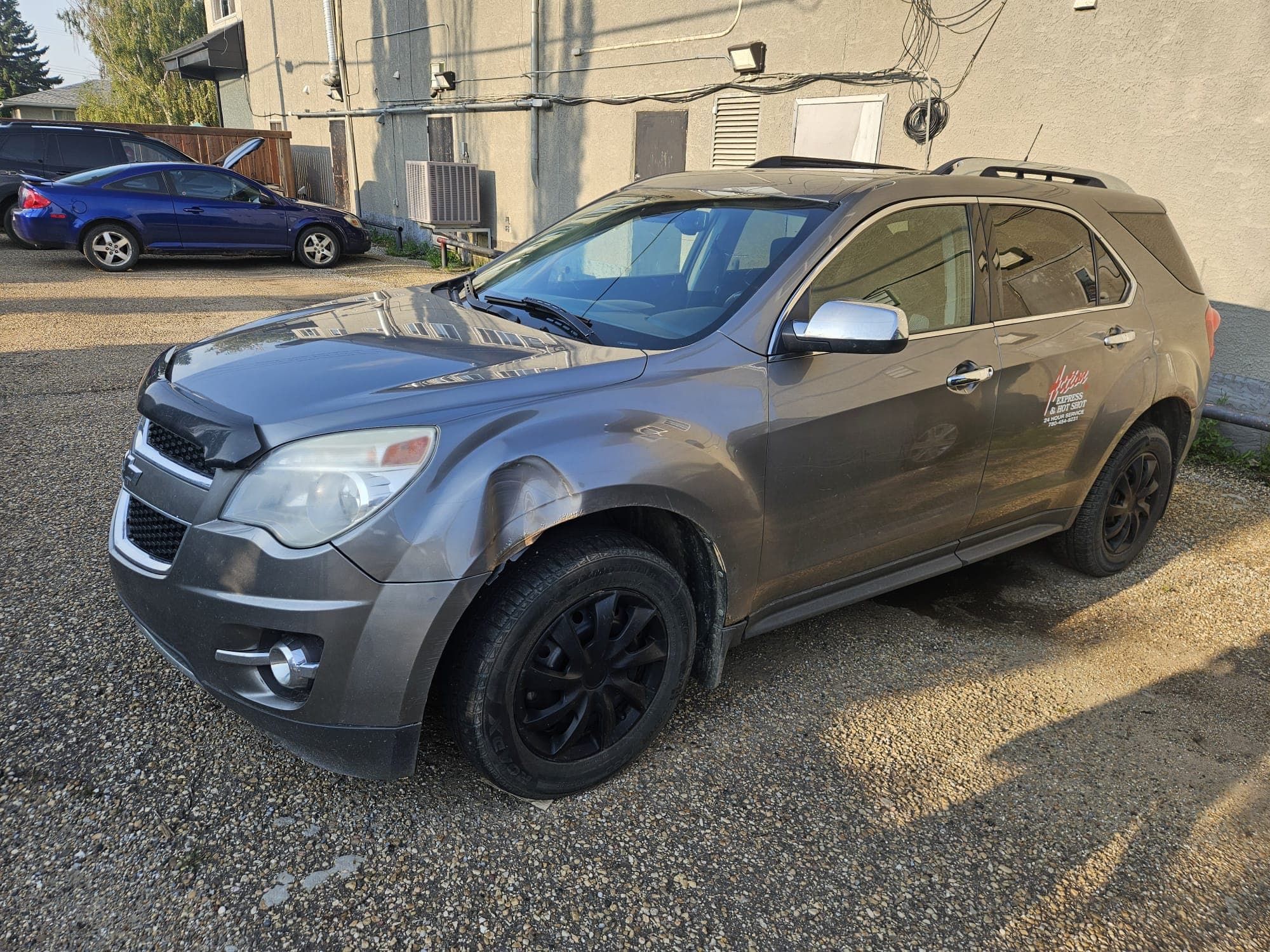
A worked example. A 2013 Equinox with 265,000 km needs a transmission. The quote is $3,600. As a non-running vehicle it's worth a few hundred dollars. Fixing it means putting $3,600 into a twelve-year-old vehicle that still has the original struts, a rusting rear subframe, an aging timing chain and brake lines that have seen twelve Alberta winters. The transmission will be new. Nothing else will be.

Against that: a comparable running vehicle at a similar age costs somewhere in the same range as the repair, and starts its life with you having none of the deferred maintenance.

Sell when: the vehicle is over ten years old, the repair exceeds roughly a third of its working value, there's structural rust, or two or more major systems have failed.

Repair when: the vehicle is newer, has documented maintenance, the failure is a single discrete component, and the body and frame are solid.

Call us with the details either way. If your car is worth fixing, we'll say so.

Non-running vehicle pickup across the Edmonton region

We Buy Every Category of Non-Running Vehicle

  • Won't crank, won't turn over, no electrical response
  • Starts but won't stay running
  • Runs but won't move — seized brakes, failed transmission, broken axle
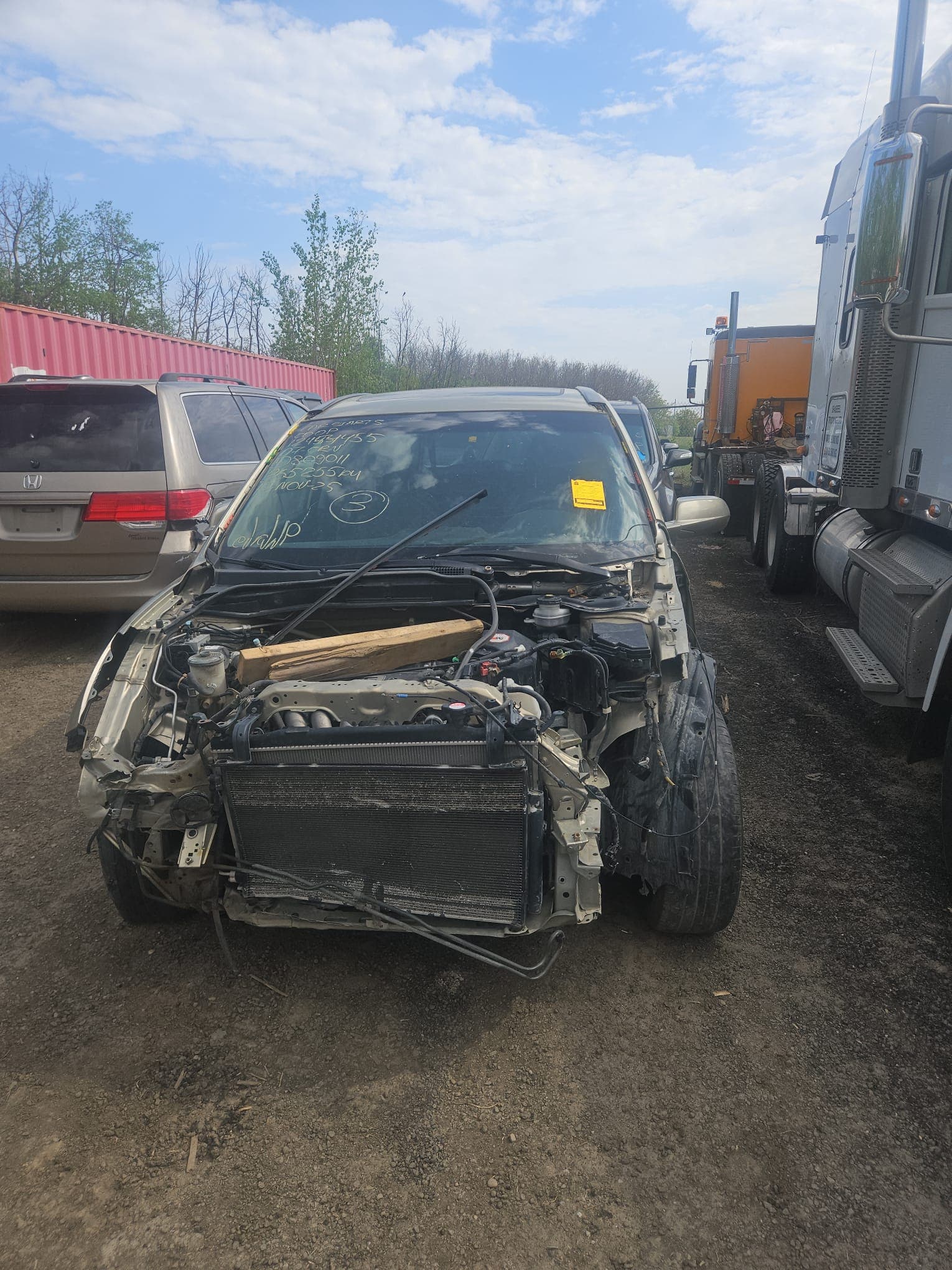
  • Engine removed or partially disassembled
  • Sitting for one year, five years, or fifteen
  • Mechanic's shop refusing release until storage is settled — call us, this is more workable than it sounds
  • Failed emissions or inspection
  • No keys, no working ignition, or steering lock engaged
  • Flood, fire or rodent damage to the wiring harness

None of it requires the vehicle to move under its own power. Our flatbeds winch, so a car that hasn't rolled since 2019 loads the same as one that drives on. Details on free towing.

What a Non-Running Car Is Worth

More than most people expect, because the failure is usually confined to one system while the rest of the vehicle remains intact and saleable.

A car with a dead transmission still has a good engine, straight doors, working glass, usable wheels, an alternator, a starter, seats, lighting and — critically — a catalytic converter containing platinum, palladium and rhodium. A seized engine leaves the transmission and everything else. That's why a non-running vehicle typically beats pure scrap value.

What drives the number: which system failed, how complete the vehicle is, whether the converter is present, its weight, and how well parts for that specific model sell in Alberta. Half-tons, Grand Caravans, Escapes, Civics and Corollas move fastest here because there are so many of them still on the road.

The parts side of the valuation is on cash for junk cars; the metal side is on cash for scrap cars.

Tell us honestly what's wrong. An accurate description gets you a firm quote that doesn't change when the driver arrives.

Value factors for a non-running car in Edmonton
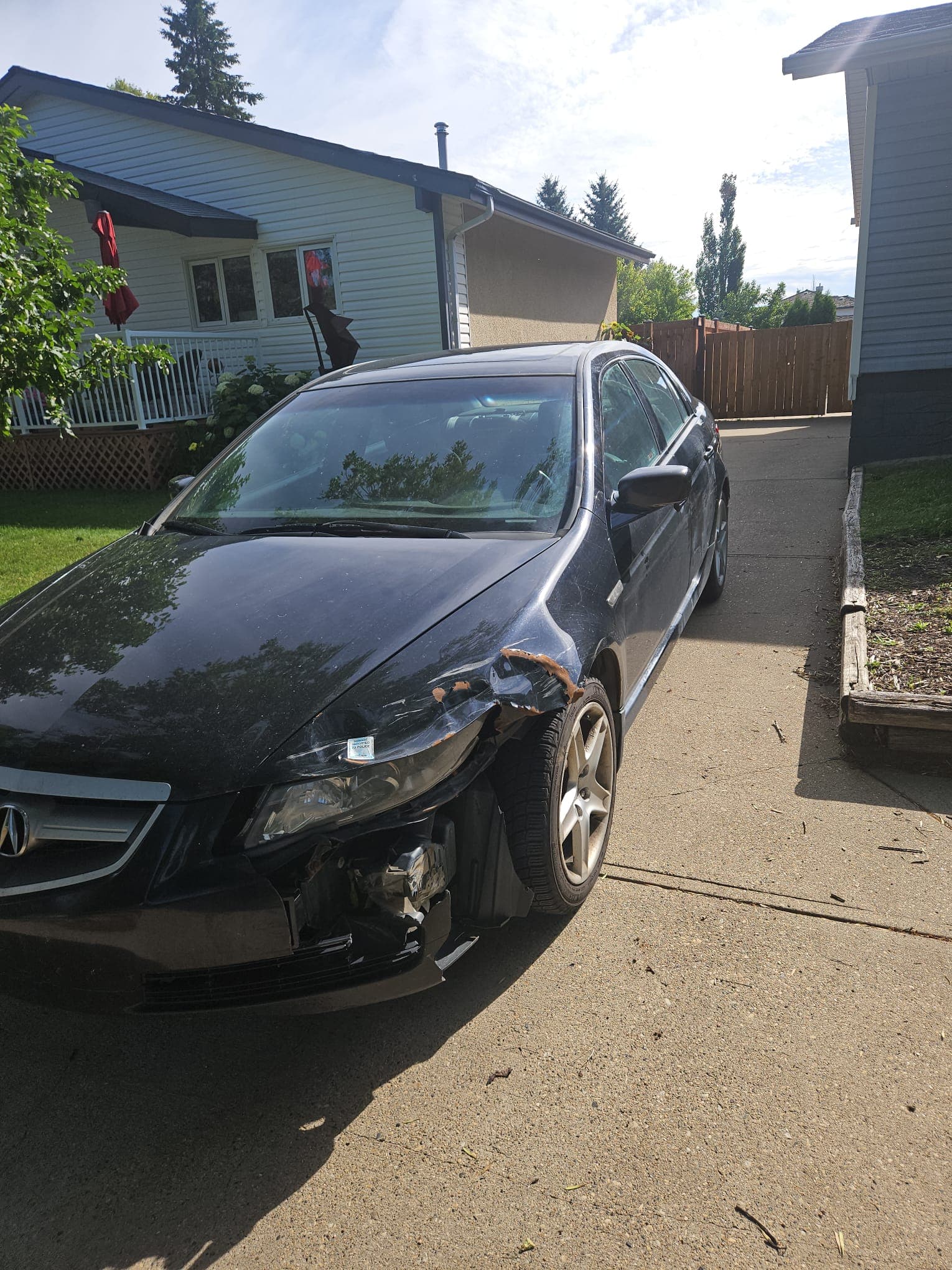
Non-running vehicle pickup across the Edmonton region

Pickup Across the Edmonton Region

We collect non-running vehicles from anywhere in Edmonton and the surrounding communities, including Sherwood Park, St. Albert, Leduc, Spruce Grove, Fort Saskatchewan, Beaumont, Devon and the full service area.

Plates off before pickup, registration and ID ready, belongings cleared — the Alberta paperwork guide has the rest.

Frequently Asked Questions

Do you buy cars that don't start?

Yes. Non-running vehicles are a large share of what we buy, and it doesn't need to crank, move or steer.

How much is a non-running car worth in Edmonton?

Usually more than scrap value, because most of the vehicle is still intact. It depends on which system failed, what's complete, and whether the catalytic converter is present.

My car runs but won't move. Do you still buy it?

Yes. Seized brakes, failed transmissions and broken axles are all routine.

I don't have the keys. Is that a problem?

No. It doesn't affect the tow and rarely affects the offer on a non-running vehicle.

It's been sitting for over ten years. Do you still want it?

Yes. Long-parked vehicles are common for us, including ones that have settled into the ground.

Should I get a diagnosis before selling?

It helps you decide whether to repair, but it isn't required to sell. A rough description of the symptoms is enough for a quote.

Can you buy a car that's at a repair shop?

Often, though any storage or repair charges owing need to be resolved. Call and describe the situation.

Get a Quote on Your Non-Running Vehicle

Call (780) 202-2274 with the year, make, model, kilometres and what it's doing — or not doing. Firm number in minutes, free tow, cash on pickup.

Call (780) 202-2274
Booking a quote for a non-running vehicle
Call NowGet My Offer