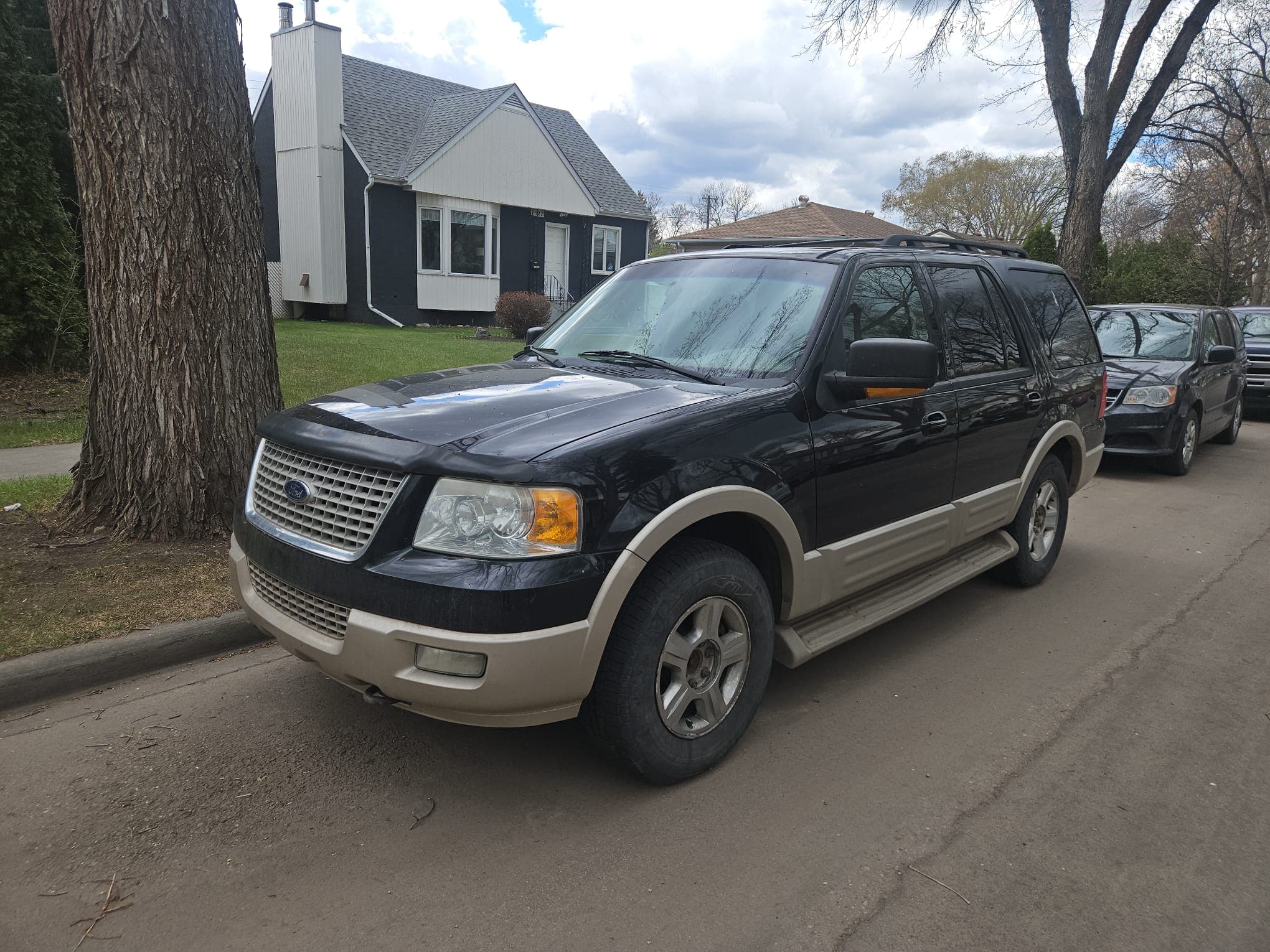
Compact car
1,150 – 1,350 kg
Examples
Civic, Corolla, Elantra
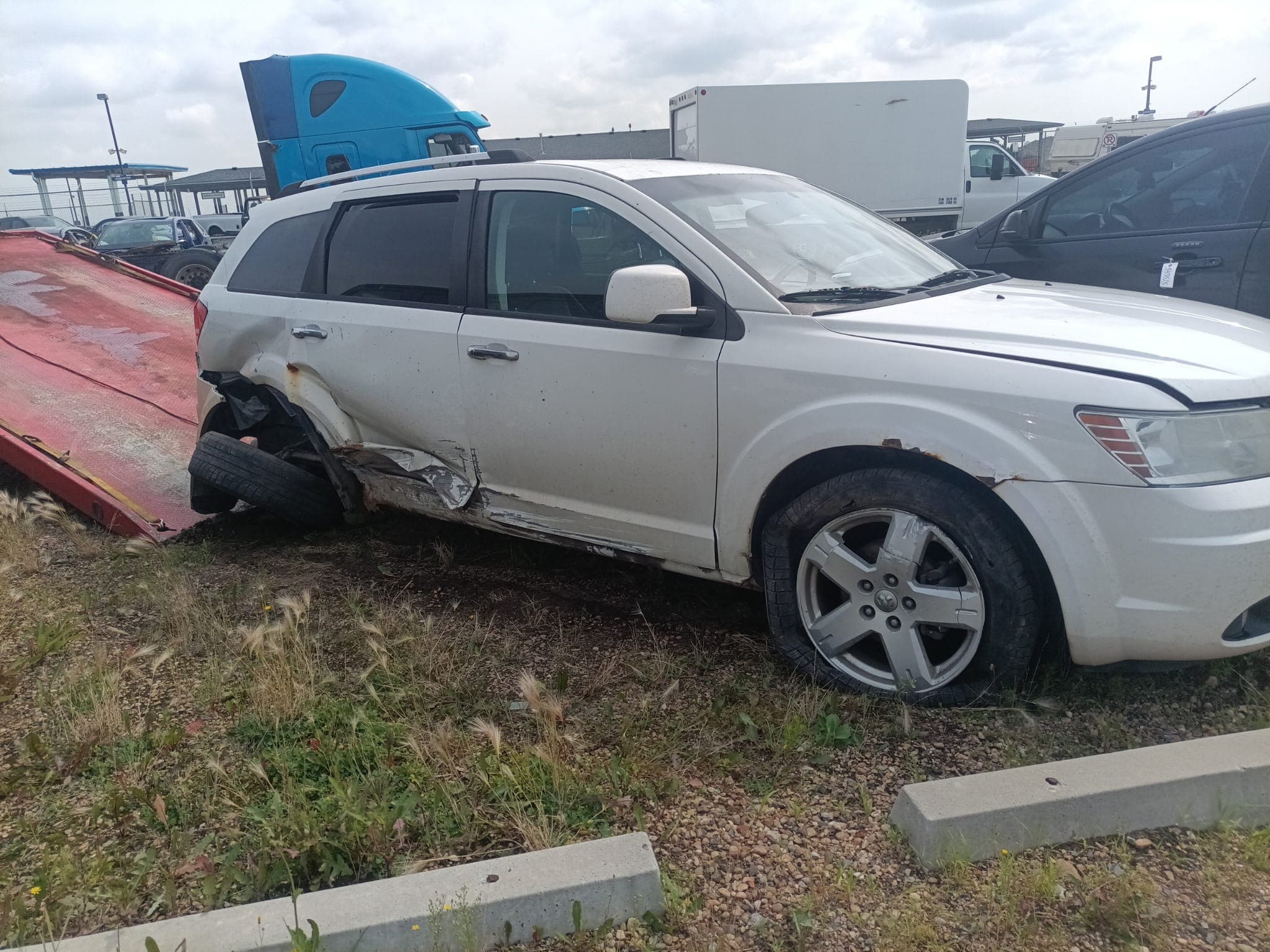
Call five Edmonton scrap buyers about the same vehicle and you'll get five different numbers, sometimes with a spread of several hundred dollars. That's not because four of them are lying. It's because a scrap car isn't one commodity — it's four or five commodities bolted together, each priced differently, and different buyers weight them differently.
Once you understand the components, you can tell immediately whether an offer is fair. So here's the whole thing.
Or skip ahead and call (780) 202-2274 for your number.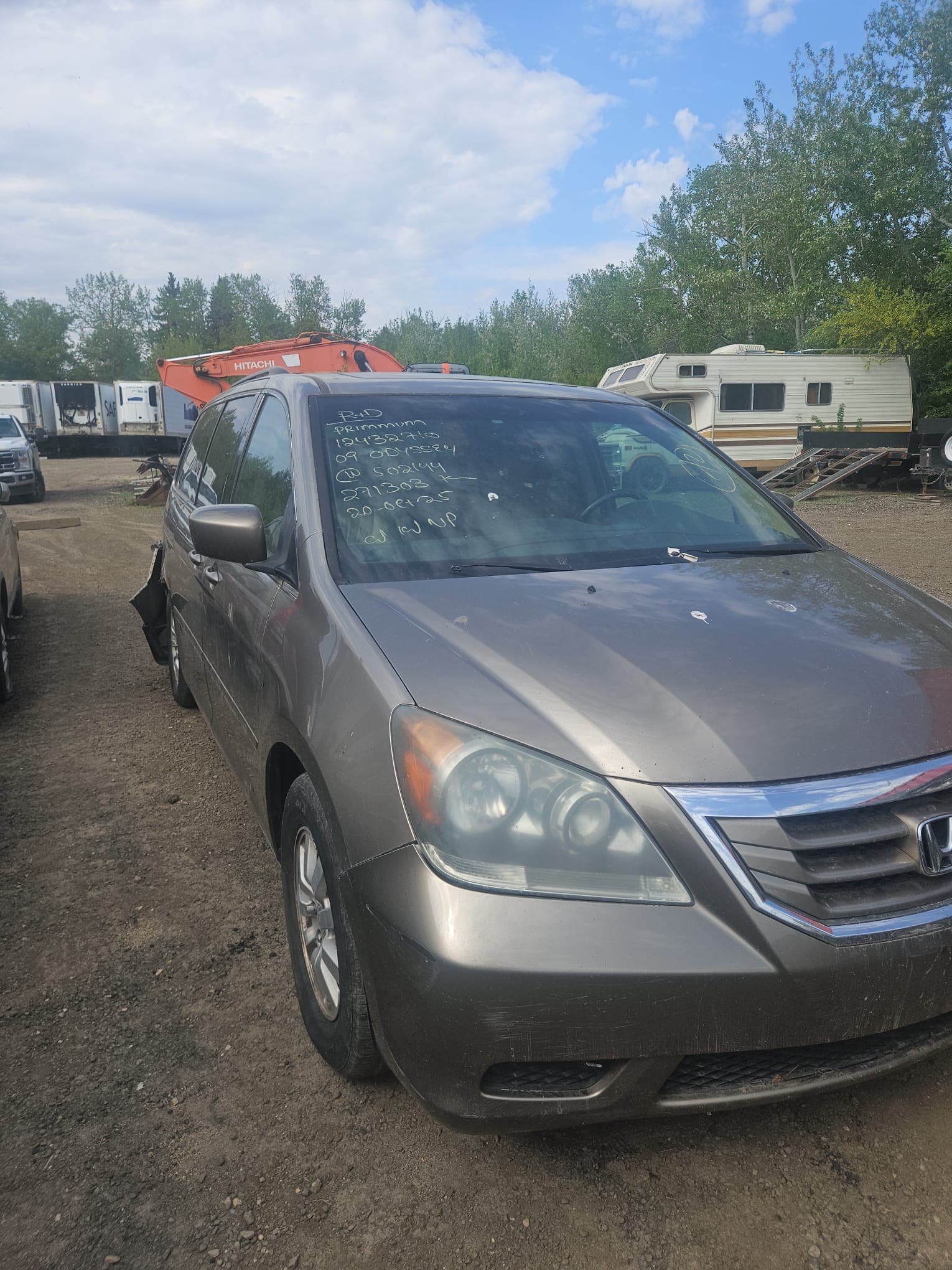
The steel and iron in your vehicle is the base of every scrap quote. It's priced per tonne, and the price moves.
Approximate curb weights by vehicle class:
1,150 – 1,350 kg
Examples
Civic, Corolla, Elantra
1,400 – 1,650 kg
Examples
Camry, Accord, Malibu
1,550 – 1,800 kg
Examples
Escape, Equinox, RAV4
1,900 – 2,150 kg
Examples
Grand Caravan, Sienna
2,100 – 2,700 kg
Examples
F-150, Silverado 1500, Ram 1500
2,500 – 2,900 kg
Examples
Suburban, Tahoe, Expedition
3,000 – 3,800 kg
Examples
F-250/350, Ram 2500/3500, Silverado 2500
This is why a truck is worth more than a sedan before anyone opens the hood — there's roughly twice the metal in it. It's also why “what do you pay for a scrap car” has no single answer.
Note that ferrous pricing is set by global demand for shredded steel, not by anyone in Edmonton. When that market softens, every buyer's offers soften together. When it firms up, offers rise. A quote you were given eight months ago is not a benchmark for today.
On many end-of-life vehicles, the converter is worth more than the rest of the car's metal combined.
It contains platinum, palladium and rhodium — precious metals used to convert exhaust gases, and priced accordingly. Rhodium in particular has traded at extraordinary levels in recent years, which is precisely why converter theft became so common across Edmonton, especially on higher-clearance vehicles where a thief can get underneath quickly.
What affects converter value:
This single component is the most common reason two quotes on the same vehicle differ. A buyer who doesn't ask about the converter is either pricing it at zero — which costs you — or assuming it's there and planning to renegotiate when it isn't.
Beyond steel, a vehicle carries a meaningful quantity of higher-value metal:
Aluminum wheels in particular are worth keeping on the car. People sometimes swap them for steel rims before scrapping, which reduces the offer more than the rims are worth to them.
If any component still has usable life, it's worth more as a part than as metal. A running engine, a working transmission, straight doors, intact glass, functional electronics and a clean interior all add to the number.
This is where a scrap car and a junk car separate. If yours still has salvageable components, you should be paid above pure scrap value — that's covered in detail on cash for junk cars.
Three legitimate reasons:
Ferrous and precious metal prices are volatile. Quotes have expiry dates for a reason.
A buyer who only sells metal by weight will quote lower on a car with a good drivetrain than a buyer who can move the parts. Neither is dishonest.
A pickup in Riverbend and a pickup outside Drayton Valley don't cost the same to run. Some buyers pass that through; we absorb it — see free towing.
And one illegitimate reason: the driveway renegotiation.
A quote deliberately set high to win the booking, then cut on arrival once the car is hooked up and you've mentally moved on. We quote firm and honour it, provided the vehicle matches the description you gave.
Have these ready:
Year, make, model and trim — trim matters, because a V8 and a four-cylinder version of the same model differ in both weight and converter content
Approximate kilometres
Does it run and drive, run but not drive, or neither
Is the catalytic converter intact
Anything missing — engine, transmission, wheels, doors, front clip
Body condition — specifically rust through the rockers, floor pans and frame, which is what a decade of brine on the Anthony Henday and Yellowhead Trail produces
Where it's parked and whether it rolls
Answer those honestly and the number you're given is the number you're paid. Understate the damage and the quote has to be corrected on site, which is exactly the experience nobody wants.
Occasionally people ask whether to hold the vehicle until metal prices rise. Usually the answer is no, for reasons that have nothing to do with metal.
Every month it sits, you may be carrying registration and insurance on it. It continues to rust, which reduces recoverable weight. It's exposed to converter theft. And in Edmonton it may attract a Community Standards Bylaw complaint if it's unregistered and visible — which turns a paying transaction into a fine.
The carrying costs generally exceed any plausible market gain on a single vehicle. If you have a fleet of twenty units, timing is worth thinking about. For one car, it isn't.
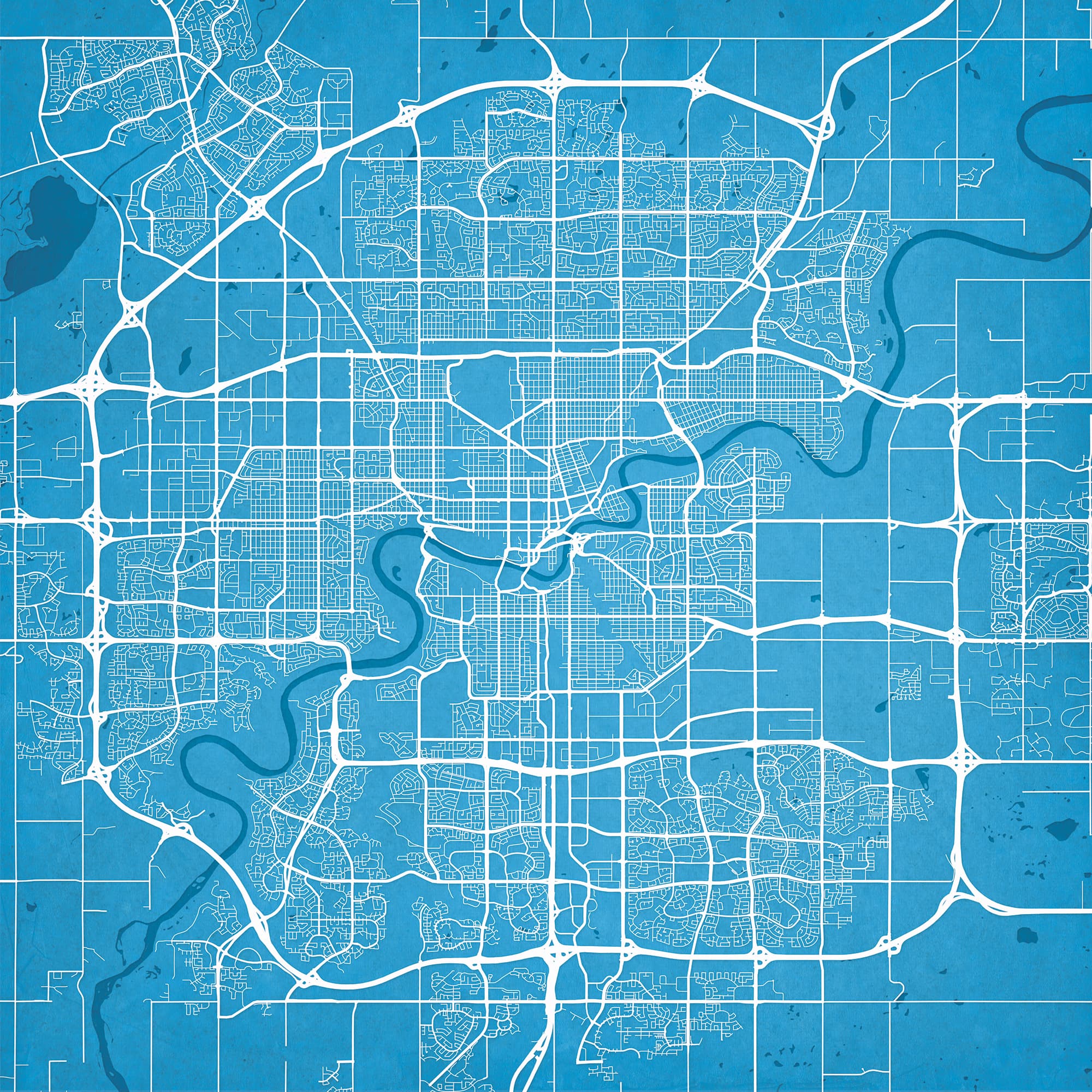
We buy scrap vehicles throughout Edmonton and out to St. Albert, Sherwood Park, Fort Saskatchewan, Stony Plain, Devon, Morinville, Redwater, Vegreville, Camrose and the full service area.
For what physically happens to the vehicle afterward, see scrap car removal. For heavier units, cash for trucks and SUVs covers why they pay more.
It's calculated from weight, catalytic converter content, non-ferrous metals and any resaleable parts. Give us the vehicle details and you'll get a firm number rather than a range.
Roughly double the recoverable metal, and often a higher-value converter. Weight is the largest single factor in scrap pricing.
Yes, though less. The remaining metal and any usable parts still carry value.
For pure scrap value, barely. Mileage matters mainly for whether the engine and transmission can be resold as parts.
No. They're worth more on the vehicle than swapping them for steel rims will save you.
Yes, with global metals markets. That's why quotes are time-limited rather than open-ended.
Yes, at pickup, before the vehicle is loaded.
Call (780) 202-2274 with the details above. Firm number in minutes, free towing anywhere in the region, paid before it leaves your property.
Call (780) 202-2274